

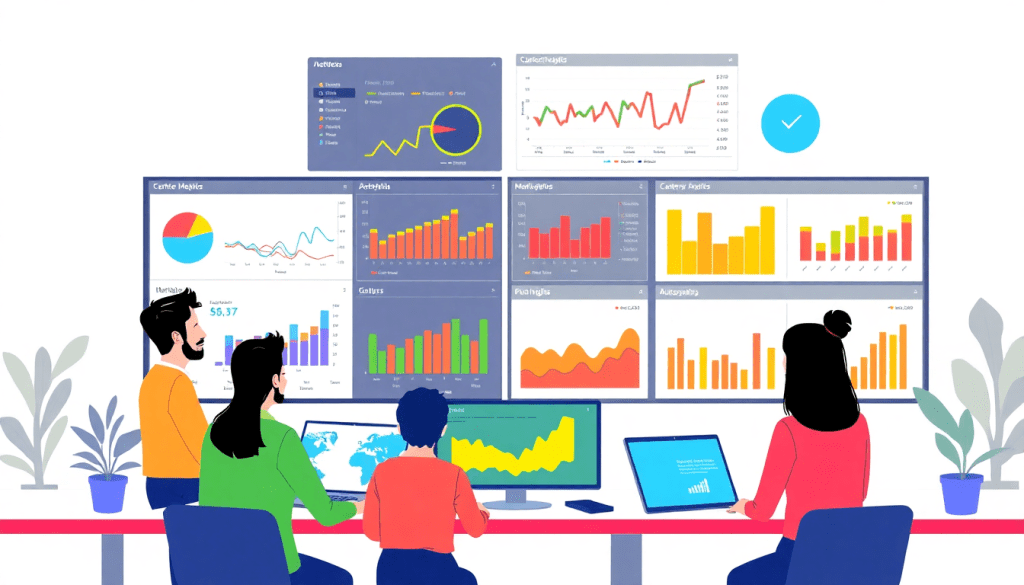
White-Label Marketing Dashboard for Agencies: Custom Client Reports
Delivering seamless, professional client reporting is no longer a luxury—it’s a necessity for agencies managing multiple campaigns and clients. A white-label marketing dashboard empowers agencies to provide branded analytics, automate performance tracking, and streamline cross-channel reporting, all while elevating the client experience. This guide explores how customizable dashboards and automated reporting tools can transform agency operations, strengthen client relationships, and save valuable time each month.
Why Agencies Need a White-Label Marketing Dashboard
Agencies today face a perfect storm of reporting challenges—juggling multiple clients, each with their own channels, KPIs, and expectations, while wrestling with fragmented data sources and time-consuming manual processes. Pulling campaign results from disparate ad platforms, social networks, and analytics tools often means hours spent copying data into spreadsheets, formatting charts, and assembling presentations. This not only drains resources but also increases the risk of errors and delays, making it difficult for agencies to deliver timely, accurate insights that clients demand.
Beyond the operational headache, there’s a crucial strategic dimension: branding and consistency in client communications. Every touchpoint with a client is an opportunity to reinforce the agency’s value and professionalism. But when reports arrive in generic formats or with mismatched branding, it can undermine credibility and make the agency appear less invested in the client relationship. Cohesive, white-labeled reports—complete with the agency’s logo, colors, and messaging—signal reliability and attention to detail, building trust that’s essential for long-term partnerships.
This is where a white-label marketing dashboard becomes a game changer. By centralizing data integration and automating reporting, agencies can deliver polished, on-brand analytics at scale. Customizable dashboards allow agencies to highlight what matters most to each client, while automated scheduling ensures updates are always timely. The result? Agencies not only save dozens of hours per analyst every month, but also strengthen their reputation as data-driven partners who provide real value. As your agency looks to scale, a white-label solution is essential for maintaining consistency, efficiency, and professionalism across a growing client roster.
For a deeper dive into the benefits and best practices for agency dashboards, explore the "Best Marketing Reporting Software: TapClicks Dashboard Guide" for expert insights and real-world examples.
Key Features of the Ideal Agency Reporting Platform
Choosing the right white-label marketing dashboard means zeroing in on features that truly drive efficiency, transparency, and value for both agencies and their clients. At the core, customizable client dashboards are indispensable: agencies should be able to tailor each dashboard to the unique needs of every client, campaign, or vertical. This includes drag-and-drop widgets, custom KPIs, and the flexibility to adjust visualizations as campaigns evolve.
Automated data pulls are another must-have. Manual data gathering from dozens of platforms consumes valuable hours and risks introducing errors. The ideal platform seamlessly integrates with the most-used marketing and advertising channels—think Google Ads, Facebook, LinkedIn, programmatic platforms, and more—so every report is populated with fresh, accurate data in real time. This automation not only speeds up reporting, but also enables agencies to scale their client base without ballooning operational costs.
White-label branding is essential for professionalism and client trust. The best platforms empower agencies to fully rebrand dashboards and reports with custom logos, color palettes, and even domains, ensuring a seamless, agency-first experience for clients at every touchpoint.
Security and role-based access are critical, especially for agencies handling sensitive client data or managing multiple teams. Look for granular permission settings that allow agencies to control who can view, edit, or share specific dashboards—whether it’s internal strategists, account managers, or external client stakeholders. This safeguards data privacy while promoting collaborative workflows.
Finally, integrated cross-channel analytics bring holistic insights front and center. Instead of siloed reports from each platform, agencies can present unified performance views, revealing how paid, organic, and social campaigns work together to drive business outcomes. This level of integration not only simplifies reporting, but also uncovers optimization opportunities and demonstrates the agency’s strategic value.
For a deeper dive into these essential features and how they accelerate agency reporting, check out "Marketing Dashboard Automation: Boost Agency Reporting Fast". If you want to see these features in action, visit TapClicks, a leader in unified marketing operations platforms.
Customizable Client Dashboards: Tailoring Insights for Every Client
No two clients—or campaigns—are exactly alike, and agencies need reporting tools flexible enough to reflect those unique needs. With a customizable client dashboard, agencies can build dedicated views for each client, campaign, or business unit, ensuring that every stakeholder sees the metrics that matter most to them.
Personalized KPI Focus: Start by identifying core performance indicators relevant to each client’s industry, goals, and marketing mix. For a retail client, you might spotlight ROAS, foot traffic, and local ad spend, while a B2B SaaS company could prioritize lead quality, conversion rates, and pipeline velocity. A robust dashboard platform like TapClicks enables agencies to mix and match widgets, visualizations, and data sources—so each dashboard tells a story tailored to that client’s objectives.
Branding and User Experience: First impressions matter, and a white-label dashboard helps agencies deliver a seamless branded experience. Incorporate your agency or client’s logo, apply their preferred color palette, and even leverage custom domains (e.g., reports.clientname.com) to reinforce trust and professionalism in every interaction. This attention to branding consistency not only elevates your agency’s perceived value but also keeps your services top-of-mind for clients.
Client Satisfaction and Retention: Custom dashboards empower clients to self-serve, accessing real-time insights and granular breakdowns without waiting for manual report delivery. This transparency leads to greater client confidence in your work, reduces back-and-forth for clarification, and demonstrates a proactive approach to account management. Ultimately, agencies that offer personalized, visually engaging dashboards see higher client satisfaction and improved retention rates—key drivers for long-term growth in a competitive landscape.
Branded Analytics Software and White-Label KPI Reports
Branded analytics software is a game-changer for agencies looking to elevate their professionalism and reinforce their value in every client interaction. By providing reporting tools that are fully customizable with agency or client branding—logos, color palettes, and even custom domains—agencies can deliver a seamless, professional experience that keeps their brand front and center.
White-label KPI reports go beyond just aesthetics. These automated reports are designed to deliver accurate, up-to-date insights tailored to each client’s needs, with zero manual intervention required. Agencies can schedule reports to be sent automatically—daily, weekly, or monthly—to internal stakeholders or directly to client inboxes. Formats range from interactive dashboards and web portals to downloadable PDFs and email summaries. The flexibility to match branding across all formats means clients receive a consistent, polished look every time they engage with their data.
Distribution methods are equally versatile. Agencies can set up access-controlled portals for clients to log in and view live dashboards, or automate report delivery to specific recipients. Some platforms even offer one-click sharing links or embedded report widgets for agency websites. This streamlined approach not only saves hours of manual work but also ensures that every client touchpoint reflects the agency’s brand standards.
Compliance and data privacy are also critical considerations. Leading white-label analytics solutions offer robust security features—such as encryption, role-based access controls, and audit trails—to protect sensitive client data and adhere to industry standards. These capabilities are essential for agencies managing multiple clients and campaigns, ensuring trust, confidentiality, and regulatory compliance remain uncompromised.
By leveraging branded analytics software and automated white-label KPI reporting, agencies can deliver a more professional, scalable, and secure client experience—transforming reporting from a routine task into a strategic differentiator. To explore how these capabilities can empower your agency, visit TapClicks.
Automated Data Visualization for Agencies
One of the biggest advantages of a white-label marketing dashboard is automated data visualization. Manual data wrangling—downloading spreadsheets, building charts, and updating slide decks—can devour hours every week, especially when juggling multiple clients and campaigns. By automating data visualization, agencies can dramatically reduce this workload, freeing up teams to focus on high-impact analysis instead of repetitive tasks.
Automated dashboards transform raw marketing data into visually compelling charts, graphs, and tables that clients can understand at a glance. Instead of sifting through endless rows of numbers, clients see clear visual summaries of campaign performance—impressions, clicks, conversions, spend, and ROI—tailored to their unique goals. This not only accelerates reporting but also enhances transparency and trust, helping clients quickly grasp what’s working and where to optimize.
Best practices for automated report design include selecting templates that match the agency’s or client’s brand style, and creating custom widgets that spotlight the KPIs that matter most. For example, an eCommerce client may want revenue and ROAS front-and-center, while a B2B client might prioritize lead quality and pipeline growth. Top platforms like TapClicks let agencies drag and drop the exact data visualizations they need, and even customize each dashboard with unique branding, layouts, and data filters.
To further streamline reporting, agencies should leverage scheduled dashboard delivery and interactive widgets, allowing clients to explore data on their own or receive regular updates without the need for manual intervention. For a deeper dive into how automated visualization platforms like TapClicks stack up against competitors, see "Marketing Dashboard Automation: TapClicks vs Funnel.io Guide".
Ultimately, automated data visualization transforms agency reporting from a time-consuming chore into a scalable, client-pleasing strength. By leveraging these tools, agencies can deliver clear, professional insights faster—giving them a true edge in client satisfaction and operational efficiency.
End-to-End Performance Tracking for Clients
A true white-label marketing dashboard does more than just aggregate data—it empowers agencies with comprehensive, end-to-end performance tracking across every channel that matters to their clients. By bringing together paid, organic, social, email, and even offline data into a single, unified dashboard, agencies gain a holistic view of campaign effectiveness without juggling countless spreadsheets or siloed platforms.
With a unified dashboard, real-time updates and automated alerts become invaluable assets. Agencies can set up custom thresholds for key performance indicators (KPIs), receiving instant notifications if a campaign is underperforming or exceeding expectations. This proactive approach enables rapid response—whether it’s reallocating budget, adjusting creative, or seizing new opportunities—ensuring clients’ marketing investments are always optimized.
Agencies can leverage these insights to clearly demonstrate ROI by mapping every click, conversion, and interaction back to business outcomes. Detailed visualizations and easy-to-interpret reports help clients see the value of their campaigns at a glance, fostering transparency and building trust. Interactive dashboards let clients drill down into specific channels, timeframes, or geographic regions, so they can understand exactly where their marketing dollars are making an impact.
For agencies managing multiple brands, locations, or client portfolios, scalable dashboards like those from TapClicks make it easy to centralize all client data while maintaining strict role-based access. This means every stakeholder—whether a client, account manager, or executive—sees only the data that’s relevant to them, with security and privacy assured.
Ultimately, end-to-end performance tracking transforms client reporting from a reactive chore into a dynamic, strategic advantage. Agencies can not only prove the value they deliver but also identify new growth opportunities, optimize campaigns in-flight, and solidify their role as a trusted marketing partner.
How Marketing Automation Transforms Agency Operations
Managing multiple clients, wrangling disparate data, and producing timely reports—it's the day-to-day reality for most agencies. But it doesn’t have to be a headache. Marketing automation is changing the game, turning operational chaos into streamlined efficiency.
Where Agencies Lose Time
A few classic bottlenecks:
- Manual data pulls from dozens of platforms
- Copy-pasting metrics into spreadsheets or slide decks
- Formatting client reports over and over
- Chasing down the latest numbers for campaign updates
It’s no wonder reporting can eat up more than 50 hours per analyst every month.
How Automation Takes Over
Here’s what a modern, automated workflow looks like:
Automated Dashboard & Reporting
- Data aggregation: Automatically pull in metrics from every platform (Google, Facebook, programmatic, CRM, etc.)
- White-label dashboards: Brand-ready views for every client, always using the latest data
- Scheduled reports: Custom reports go out on autopilot—no manual compiling or emailing needed
- Real-time alerts: Get notified the moment campaign performance shifts
The Results
- Consistent, up-to-date insights for clients
- Dramatic time savings for your team
- Fewer manual errors and missed updates
Why Agencies Love Marketing Automation
- More time for strategy: Less reporting grunt work means more bandwidth for high-impact client initiatives.
- Faster client response: Quickly turn around requests with unified, always-on data.
- Stronger branding: Every client report and dashboard is polished and consistent.
TapClicks: The Operations Platform Built for Agencies
With TapClicks, agencies get:
| Feature | What It Means for You |
|---|---|
| 10,000+ data connectors | Pull data from all your marketing sources |
| Automated ETL/ELT pipeline | Clean, normalize, and transform data on autopilot |
| Smart dashboards | Drag-and-drop, fully branded, always current |
| Seamless integration | Connect to CRMs, BI tools, and finance systems |
| Collaboration tools | Unite sales, ops, and fulfillment in one hub |
What’s the Big Win?
- Break down silos: One central hub for all your marketing data and workflows
- Unlock powerful analytics: See what’s working, optimize budgets, and impress clients with actionable insights
- Scale without stress: Handle more clients, more campaigns, and more data—without adding headcount
Bottom line:
Marketing automation isn’t just about moving faster. It’s about elevating your agency’s value, improving client satisfaction, and freeing your team to focus on growth—not grunt work.
Choosing the Right White-Label Dashboard Solution for Your Agency
Selecting the optimal white-label marketing dashboard is a strategic decision that impacts your agency’s efficiency, client satisfaction, and long-term growth. To ensure you choose a platform that scales with your business, start by evaluating its scalability—can it handle dozens or even hundreds of clients and campaigns simultaneously without sacrificing performance? A robust connector library is also essential, allowing seamless integration with the marketing, advertising, and business data sources your clients use most.
Ease of use plays a key role; your team should be able to quickly build, customize, and distribute dashboards without a steep learning curve. Consider the quality of customer support as well—look for responsive, knowledgeable assistance and comprehensive onboarding resources.
Cost is another important factor, but don’t focus solely on the price tag. Evaluate the value delivered in terms of time saved, reporting automation, and depth of insights. Ask prospective vendors critical questions: How flexible is dashboard customization for branding and client needs? What automation features streamline report generation and delivery? How is data ownership and privacy handled, especially when managing sensitive client information?
Before making your final decision, trial your shortlisted dashboards with real client data. This hands-on approach will reveal platform strengths and any workflow friction, helping you make an informed choice that fits your agency’s unique needs.
For a deeper dive into features and platform comparisons, revisit our resources on "Best Marketing Reporting Software: TapClicks Dashboard Guide" and "Marketing Dashboard Automation: TapClicks vs Funnel.io Guide". Or, explore TapClicks directly to see how unified data integration, white-label customization, and automated reporting can transform your agency’s operations.
Start Automating Your Marketing Data Today!
No Credit Card Required.

