

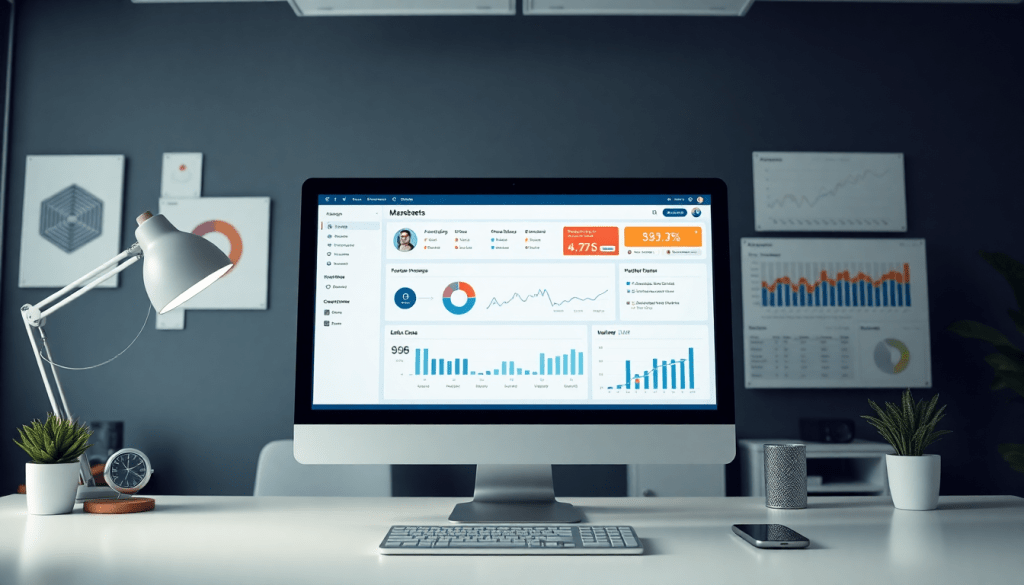
White-Label Marketing Dashboard for Agencies: Custom Client Reports
A white-label marketing dashboard allows agencies to deliver seamless, branded analytics and performance insights to clients—without revealing the underlying technology. For agencies juggling multiple clients, channels, and reporting needs, these dashboards offer a single source of truth for campaign data and automate the most time-consuming aspects of client communication. This guide explores how white-label dashboards transform agency reporting, what features to prioritize, and how to create a branded analytics experience that clients love.
What Is a White-Label Marketing Dashboard for Agencies?
A white-label marketing dashboard is a reporting and analytics platform that agencies can fully brand as their own—delivering insights to clients without ever exposing the underlying technology provider. Unlike standard dashboards, which often display the platform’s logo, colors, or domain, a true white-label solution allows agencies to customize every touchpoint. This means clients log into a dashboard that features the agency’s branding, style, and messaging, creating a seamless and professional experience.
For agencies, this distinction is far more than cosmetic. White-label dashboards are essential tools for agencies managing multiple clients and campaigns across a range of digital channels. They centralize all marketing data—social, search, display, SEO, email, and more—into a single, unified view. The core features of a white-label dashboard include:
- Customizable Branding: Add your agency’s logo, colors, fonts, and even a custom domain, so every client interaction reinforces your brand.
- Cross-Channel Data Integration: Pull in data from hundreds or thousands of sources, blending campaign metrics from platforms like Google Ads, Facebook, LinkedIn, and more.
- Client Portal Dashboards: Give clients secure, role-based access to interactive dashboards where they can view performance, download reports, and track campaign progress in real time.
These capabilities enable agencies to automate client reporting, enhance transparency, and deliver a premium digital experience—all while keeping their tech stack invisible. For a deeper dive into what sets the top solutions apart, check out this best marketing reporting software comparison. This guide outlines the critical differences between white-label platforms and standard dashboards, helping agencies choose the right fit for their workflow and client expectations.
Key Benefits: Why Agencies Need Customizable Client Dashboards
For agencies managing dozens—or even hundreds—of clients, the volume and complexity of marketing data can quickly become overwhelming. Customizable, white-label dashboards are a game-changer because they automate and elevate client reporting in ways that drive both internal efficiency and client satisfaction.
Save Time with Automated Data Visualization and Reporting
Manual data wrangling and spreadsheet-based reporting can eat up hours each week, especially when dealing with multi-channel campaigns. A white-label dashboard automates the process: data from platforms like Google Ads, Facebook, and SEO tools is pulled in, transformed, and visualized instantly. This automation can reduce reporting workloads by 50+ hours per analyst per month, freeing up teams to focus on strategy—not spreadsheet gymnastics.
Enhance Client Experience and Boost Retention
Customizable dashboards allow agencies to deliver reports that are not just data-rich but also visually aligned with the client’s brand. Personalized access, tailored KPIs, and easy-to-understand visualizations mean clients actually look forward to reviewing results. This level of transparency and professionalism strengthens trust—making clients much more likely to renew contracts and expand their services.
Elevate Agency Differentiation with Branded Analytics Software
Delivering analytics through a white-label platform ensures your agency’s brand is front and center, not the technology vendor’s. This is crucial in a competitive landscape where agencies need to stand out. Branded dashboards reinforce your agency’s value throughout the client lifecycle, reinforcing your expertise and attention to detail.
Support Scalability and Growth
As your client roster grows, so does the complexity of your operations. White-label dashboards grow with you: they’re designed to handle thousands of dashboards, users, and reports without skipping a beat. Role-based access, automated workflows, and bulk reporting make it possible to onboard new clients quickly and maintain high-quality service at scale—without adding more headcount.
By centralizing campaign data, automating reporting, and delivering it through a fully branded experience, customizable dashboards help agencies save time, impress clients, and unlock new levels of operational efficiency. For a deeper dive into how these tools stack up, check out this best marketing reporting software comparison.
Essential Features of an Agency Reporting Platform
Choosing the right agency reporting platform means prioritizing features that not only meet the demands of your agency, but also deliver a seamless, professional experience for your clients. Here’s a breakdown of the must-have capabilities to look for in a white-label marketing dashboard for agencies:
1. White-Label KPI Reports:
The core of any agency reporting platform is the ability to present campaign data as your own—without third-party branding. Look for platforms that allow you to fully customize reports with your agency’s logo, color palette, and domain. This ensures your clients receive branded, professional insights that reinforce your agency’s value.
2. Role-Based Access Controls:
Managing multiple clients and internal teams requires granular access controls. The ideal solution lets you assign role-based permissions—so account managers, analysts, and clients each see only what’s relevant to them. This improves security and streamlines collaboration, especially when different stakeholders need tailored views or approval workflows.
3. Drag-and-Drop Dashboards and Widgets:
A modern agency dashboard should offer a no-code, intuitive interface for building and customizing reports. Drag-and-drop widgets make it easy to design dashboards that highlight the KPIs and visualizations most important to each client, without relying on IT or data specialists.
4. Deep Integration with Marketing Automation Tools:
To maximize efficiency, your reporting platform should integrate seamlessly with leading marketing automation tools, ad platforms, CRMs, and analytics sources. This enables real-time, cross-channel reporting—automatically pulling in the latest campaign data without manual exports or spreadsheet wrangling.
5. Cross-Channel Agency Reporting and Performance Tracking:
The best platforms unify data from paid search, social, display, email, and more into a single source of truth. This allows agencies to present holistic performance reports, track cross-channel ROI, and quickly identify what’s working for each client. For more on optimizing analytics and automating reporting, see this guide on streamlining analytics and reporting automation.
6. Automated Scheduling and Alerts:
Automated report scheduling and real-time performance alerts help agencies stay proactive. Clients receive timely updates without waiting for manual report cycles, while your team can focus on strategy and optimization rather than repetitive data pulls.
7. Scalable, Multi-Client Management:
As your agency grows, your reporting platform should scale with you. Look for support for unlimited dashboards, multi-client views, and the ability to manage hundreds—or thousands—of client accounts efficiently.
When these essential features come together in a single reporting platform, agencies can deliver actionable insights, strengthen client relationships, and scale their operations with confidence. For a closer look at a platform that checks all these boxes, explore TapClicks, the unified marketing operations solution trusted by leading agencies.
How Automated Data Visualization Transforms Agency Efficiency
Manual data visualization—think downloading spreadsheets, wrestling with pivot tables, and assembling endless PowerPoint decks—has always been a resource drain for agencies. As client rosters grow and campaigns multiply, so does the reporting workload, bringing higher risks of errors and inconsistencies.
Automated data visualization flips that script, especially for agencies juggling multiple clients and massive data streams.
Why Manual Reporting Holds Agencies Back
- Time-Consuming: Every new client or campaign means more manual data pulls and report builds.
- Prone to Human Error: Copy-pasting and hand-entry frequently lead to mistakes or inconsistencies.
- Resource Drain: Analysts spend hours on repetitive tasks rather than high-value strategic work.
What Automated Dashboards Change
With automated dashboards (like those in TapClicks), you get:
- Direct Data Flow: Performance metrics from every channel (search, social, email, programmatic, and more) feed directly into live, customizable reports.
- No More Manual Entry: Eliminate the copy-paste cycle and manual consolidation.
- Customizable, Always-On Reporting: Pre-built templates and drag-and-drop widgets make it simple to tailor reports to each client.
Real-World Time Savings
Agencies using platforms like TapClicks report:
- 50+ Hours Saved per Analyst Each Month: Thanks to scheduled report delivery, real-time metric updates, and dashboard customization.
- Fewer Errors: Automated pipelines mean less risk of data mismatch or outdated numbers.
- Faster Client Updates: Deliver frequent, reliable client reports without burning out your team.
From Data Wrangling to Strategic Value
With time reclaimed from manual reporting, analysts can focus on:
- Campaign Optimization: Dive deeper into performance data for actionable recommendations.
- Insight Generation: Surface trends, patterns, and opportunities for clients.
- Scaling Operations: Serve more clients without adding headcount or sacrificing report quality.
For an in-depth look at how automation boosts agency workflows, check out marketing dashboard automation for agency efficiency.
The Bottom Line
Automated data visualization doesn’t just save time—it empowers agencies to scale, deliver richer insights, and strengthen client relationships, all while maintaining accuracy and consistency. No more spreadsheet chaos. Just smarter, faster reporting.
Branded Analytics Software: Creating a Seamless Client Experience
The true promise of white-label marketing dashboards for agencies lies in their ability to deliver a fully branded, seamless analytics experience—one that feels like an extension of your own agency rather than a third-party tool. The right platform gives you a robust set of customization options, ensuring each client portal dashboard reflects your agency’s identity and effortlessly builds client trust and loyalty.
Start with the basics: look for a solution that lets you easily apply your agency’s logo, color palette, and typography across every dashboard and report. Many leading platforms also support custom domains, so your clients access their analytics from a URL that reinforces your brand, not the software provider’s. This level of visual consistency elevates your agency’s professionalism and keeps your brand front and center in every client interaction.
But branding is only the beginning. Customizing dashboard navigation and layout is equally important. Drag-and-drop widgets, modular report templates, and flexible data visualizations allow you to tailor each client’s experience—highlighting the KPIs, campaigns, and insights that matter most to them. This personalized approach demonstrates that your agency understands each client’s unique goals and priorities.
Transparent, always-on client access is another hallmark of top-tier branded analytics software. A dedicated client portal gives clients the autonomy to explore campaign performance, drill down into metrics, and download reports—on their own schedule. This transparency fosters trust and reduces the back-and-forth of emailing static reports.
To maximize adoption and satisfaction, agencies should also invest in streamlined client onboarding and training. Offer walkthroughs (live or recorded), provide reference guides tailored to your branded platform, and be proactive in highlighting key features like real-time dashboards, export options, and self-service analytics. Some platforms even support role-based access, allowing you to customize the level of detail available to different stakeholders within the client organization.
Ultimately, the best white-label analytics software goes beyond just reporting: it creates a unified, branded environment that strengthens client relationships and positions your agency as a sophisticated, data-driven partner. For a deeper dive into how to deliver a seamless, branded analytics experience, explore the full capabilities of TapClicks’ marketing operations platform.
Performance Tracking & Cross-Channel Reporting for Clients
For agencies managing multiple clients and campaigns, tracking performance across a growing list of marketing channels—social media, search, display, email, and more—can quickly become overwhelming. White-label dashboards offer a powerful solution by consolidating all this data into a single, unified view. Instead of toggling between separate platforms and spreadsheets, agencies can present clients with real-time performance insights that span every active channel.
With a white-label dashboard, agencies can automatically aggregate data from disparate sources, normalize metrics, and visualize KPIs in easy-to-digest formats. This might include side-by-side comparisons of Google Ads and Facebook campaigns, multi-channel attribution paths, or high-level rollups of impressions, clicks, and conversions. By providing unified KPI reports, agencies deliver a holistic story of cross-channel performance—making it easier for clients to understand what’s working, what’s not, and where to invest next.
Best-in-class white-label reporting platforms, such as TapClicks, go even further by layering in advanced analytics, AI-powered insights, and customizable dashboards. Agencies can tailor reports to each client’s priorities, highlight campaign milestones, and surface actionable trends with automated visualizations. The result: not just raw numbers, but a compelling narrative that connects marketing activities to business outcomes.
To maximize the impact of cross-channel reporting, agencies should follow a few best practices:
- Align KPIs to client goals: Customize each dashboard to focus on metrics that matter most to the client’s objectives, whether it’s lead volume, ROAS, or engagement rates.
- Automate data refreshes and report delivery: Set up scheduled reports and real-time updates to keep clients informed without manual effort.
- Leverage storytelling elements: Use visual cues, annotations, and contextual insights to guide clients through the data—transforming complex analytics into clear, actionable recommendations.
Ultimately, a white-label dashboard is more than a reporting tool—it’s a vehicle for transparency, trust, and strategic partnership. By delivering consistent, cross-channel performance tracking, agencies can prove their value, drive smarter decisions, and ensure clients always have a clear view of their marketing success.
Choosing the Right Agency Analytics White-Label Solution
Selecting the ideal white-label dashboard platform is a pivotal decision for agencies aiming to scale, differentiate, and deliver exceptional client service. To ensure you’re investing in a solution that meets both current and future needs, use this evaluation checklist:
1. Scalability and Performance
Can the platform handle your current client load—and future growth? Look for solutions engineered to support hundreds (or thousands) of client dashboards, high data volumes, and multi-location reporting without performance bottlenecks.
2. Ease of Use and Customization
Does the platform offer intuitive, drag-and-drop dashboard builders and flexible report templates? Prioritize solutions that make it simple to apply agency branding (logos, color schemes, custom URLs) so your reports feel like a natural extension of your agency—not a third-party tool.
3. Integration Ecosystem
Your dashboard is only as powerful as the data it can access. The best white-label solutions offer robust data connectors—across paid media, SEO, CRM, and business tools—plus custom connectors for emerging platforms. Make sure it integrates seamlessly with your marketing automation stack.
4. Automation and Advanced Features
Automated data refreshes, scheduled report delivery, and built-in AI insights are now essential. These features save analysts hours each month and provide real-time value to clients. Evaluate the platform’s ability to automate both routine and advanced analytics tasks.
5. Role-Based Access and Security
For agencies managing multiple clients, granular role-based access ensures clients and internal teams only see relevant data. Confirm the platform offers enterprise-grade security and permission controls.
6. Support and Training
Responsive support, onboarding assistance, and a rich knowledge base are critical for a smooth rollout and ongoing success. Consider the vendor’s reputation for customer service and the availability of training resources.
7. Transparent, Flexible Pricing
Pricing should scale with your agency—not penalize growth. Seek transparent plans that account for the number of users, dashboards, and data connectors you need, with room to expand as you add clients.
Why TapClicks Leads as an Agency White-Label Solution
TapClicks stands out in the agency analytics landscape by combining all-in-one scalability with deep customization and industry-leading automation. With over 10,000 data connectors, drag-and-drop dashboard creation, automated reporting, and advanced AI insights, TapClicks empowers agencies to deliver branded, powerful analytics at scale. Unique features like SmartEmail for automated insight delivery, role-based access, and seamless integration with BI tools set TapClicks apart from competitors.
For a more detailed comparison, explore this best marketing reporting software guide to see how TapClicks matches up against other top white-label platforms.
By choosing the right white-label dashboard solution, agencies can streamline operations, delight clients, and unlock scalable growth—all under their own trusted brand.
Conclusion
In today’s fast-paced marketing landscape, a white-label marketing dashboard is more than a convenience—it’s a strategic asset for agencies aiming to deliver standout client experiences at scale. By unifying campaign data, automating reporting, and providing fully branded analytics, these dashboards empower agencies to save time, boost accuracy, and foster deeper client trust. The ability to customize client-facing dashboards, automate cross-channel analytics, and present insights under your agency’s brand not only differentiates your services but also supports long-term growth and retention.
Agencies ready to elevate their reporting workflows should prioritize solutions that offer robust customization, seamless automation, and a powerful, unified view of client performance. Platforms like TapClicks make it easy to deliver this modern, branded reporting experience—helping agencies scale their operations, strengthen client relationships, and stay ahead of the competition.
If you’re looking to upgrade your client reporting approach, now is the time to explore a white-label marketing dashboard designed for agencies. Invest in tools that streamline your workflow and make every client interaction count.
Start Automating Your Marketing Data Today!
No Credit Card Required.

