

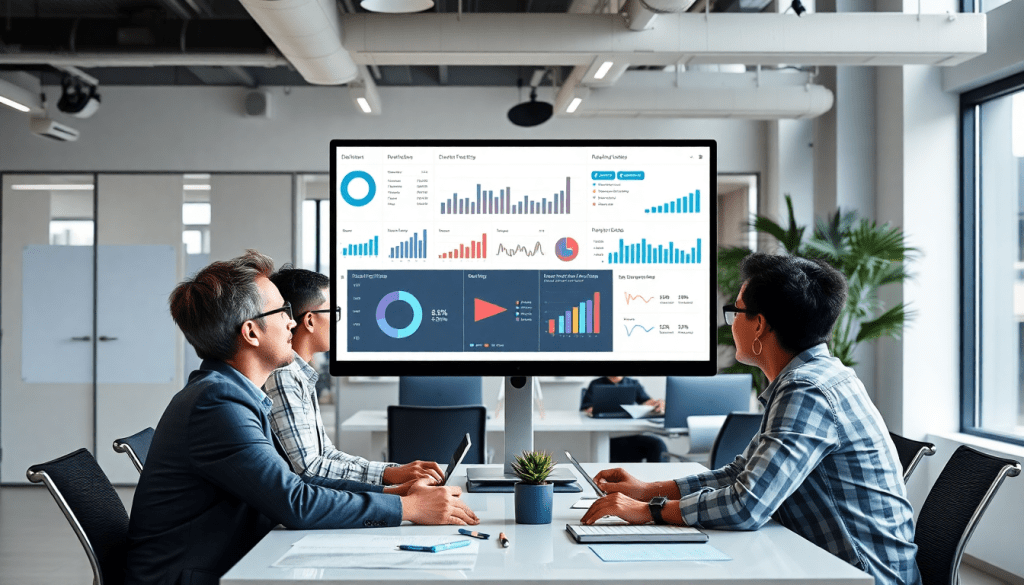
Performance Marketing Reporting Software for Automated Campaigns
Selecting the right performance marketing reporting software is critical for agencies and brands aiming to maximize ROI, streamline reporting, and gain a unified view of digital advertising performance. Modern platforms go far beyond basic dashboards, offering automated campaign reporting, advanced analytics, and actionable insights that drive strategy. This guide explores essential features, key benefits, and how to choose a solution that supports cross-channel tracking, ad spend optimization, and seamless client performance reports.
What is Performance Marketing Reporting Software?
Performance marketing reporting software is a specialized class of digital tools designed to centralize, analyze, and visualize data from paid marketing campaigns across various channels. Unlike general analytics platforms, these solutions focus on the granular metrics that matter most to marketers—such as conversions, return on ad spend (ROAS), cost per acquisition, and channel-specific performance. Their primary functions include aggregating campaign data from sources like Google Ads, Meta, LinkedIn, and programmatic platforms, automating data transformation, and presenting actionable insights through customizable dashboards and reports.
A cornerstone of modern performance marketing reporting software is automation. In today’s fast-paced digital advertising landscape, manual data collection and reporting are not only time-consuming but prone to human error. Automation streamlines the process—automatically pulling data from multiple ad platforms, cleansing and blending it, and updating dashboards in real time. This enables marketers and agencies to shift their focus from tedious spreadsheet work to high-value analysis, optimization, and client communication.
The evolution from manual spreadsheets to integrated, automated platforms has been transformative for the industry. Where marketers once spent countless hours copying and pasting campaign data into Excel and building static PowerPoint reports, advanced tools like TapClicks now deliver unified, always-on reporting environments. These platforms offer not just data aggregation but also AI-driven recommendations and predictive insights, empowering teams to respond quickly to campaign trends, optimize budget allocation, and demonstrate clear value to stakeholders. As a result, performance marketing reporting software is now indispensable for agencies and brands seeking efficiency, scalability, and consistently strong results in their advertising operations.
Core Features of Top Performance Marketing Reporting Tools
Selecting the right performance marketing reporting software means knowing which features truly move the needle for agencies and brands. The best platforms streamline not just data collection, but also analysis, optimization, and presentation, delivering a comprehensive toolkit for modern marketers. Here are the essential features to look for:
Automated Campaign Reporting: The foundation of effective reporting software is its ability to automatically collect, process, and visualize campaign data from multiple channels. Automation eliminates manual data pulls, significantly reduces errors, and ensures reporting is always up to date. With platforms like TapClicks, scheduled, branded reports can be sent directly to clients or internal stakeholders, improving transparency and efficiency.
ROAS Tracking: Return on Ad Spend (ROAS) is a core metric for performance marketers. Advanced reporting tools automatically calculate and visualize ROAS across different campaigns and channels, delivering granular insight into what’s driving profit and where budgets should be adjusted. This empowers marketers to make data-driven decisions in real time, maximizing impact on the bottom line.
Conversion Rate Analytics: Monitoring conversion rates is vital for understanding campaign effectiveness. Top platforms go beyond surface-level metrics, offering deep-dive analytics into funnel performance, attribution, and creative effectiveness. This level of insight is critical for identifying bottlenecks and optimizing for better outcomes.
Cross-Channel Campaign Tracking: Today’s digital landscape is fragmented across platforms like Google, Meta, LinkedIn, and programmatic networks. Leading software unifies this data, giving marketers a holistic view of all performance channels in a single dashboard. This cross-channel perspective enables better strategy alignment, more accurate attribution, and smarter budget allocation.
Ad Spend Optimization Dashboards: With rising media costs, it’s essential to monitor and optimize spend in real time. Look for solutions that provide clear, visual dashboards showing budget pacing, spend by channel, and optimization recommendations. These dashboards help prevent overspending, identify underperforming campaigns quickly, and drive higher ROI.
Client Performance Reports: For agencies and media companies, delivering clear, actionable performance reports to clients is crucial. The top tools offer customizable, white-labeled reporting options that can be tailored for each client, including interactive dashboards and automated insight summaries. This not only enhances client satisfaction but also positions the agency as a strategic partner.
For a deeper dive into how advanced analytics and reporting drive marketing success, see TapClicks on analytics reporting. Platforms that combine these core features—automation, advanced analytics, unified data, optimization, and customizable reporting—set the standard in performance marketing reporting software.
Benefits of Automated Campaign Reporting
Automated campaign reporting transforms the way agencies and brands manage their marketing analytics, delivering significant advantages that directly impact efficiency, accuracy, and strategic growth. One of the primary benefits is the substantial time saved by eliminating the manual collection, aggregation, and formatting of campaign data. Instead of spending hours pulling metrics from multiple platforms and assembling spreadsheets, marketing teams can rely on automation to generate up-to-date, comprehensive reports with just a few clicks.
This automation not only accelerates the reporting process but also minimizes the risk of human error. Manual data entry is prone to mistakes—whether it’s a copy-paste error, a missed update, or inconsistencies in data formatting. Automated reporting platforms ensure data consistency and reliability by standardizing how metrics are collected, processed, and visualized across all campaigns and channels.
Beyond efficiency and accuracy, automated campaign reporting significantly improves the speed at which actionable insights are delivered. Instead of waiting for monthly or weekly reports, teams can access real-time dashboards and receive scheduled reports automatically. This enables faster decision-making, allowing brands and agencies to optimize campaigns proactively, rather than reacting after the fact.
These benefits are especially valuable at scale. As the number of campaigns, channels, and clients grows, manual reporting quickly becomes unsustainable. Automation frees up analysts and account managers to focus on strategy, performance optimization, and client service, rather than repetitive tasks. To explore how marketing dashboard automation can boost reporting efficiency and drive better results, read the TapClicks guide on marketing dashboard automation.
In summary, automated campaign reporting delivers time savings, reduces manual errors, improves data consistency, and accelerates insights—empowering agencies and brands to operate more efficiently and deliver greater value to their stakeholders.
Unified Cross-Channel Analytics and Tracking
In today’s fragmented digital marketing ecosystem, consumers interact with brands across dozens of platforms — from Google and Meta to TikTok, programmatic display, and beyond. This complexity makes unified cross-channel tracking an absolute necessity for performance marketers seeking a holistic understanding of campaign impact.
Why is cross-channel analytics so crucial? Siloed data leads to incomplete insights, double-counting, and missed opportunities. A modern performance analytics tool consolidates campaign data from multiple sources into a single dashboard, providing a panoramic view of all paid media efforts. Instead of toggling between Google Ads, Facebook Business Manager, and spreadsheets, marketers can analyze performance, attribution, and spend side-by-side in real time.
How does this benefit teams? Unified tracking enables smarter budget allocation by revealing which channels and tactics are driving true incremental value. Agencies and brands can shift spend from underperforming channels to those delivering the strongest ROAS, quickly spot cross-channel synergies, and avoid wasted ad dollars. It also streamlines client reporting, offering transparent, consistent metrics and insights in one place.
Solutions like TapClicks make this possible by integrating data from over 10,000 marketing, advertising, and business sources. With automated ETL/ELT pipelines, advanced normalization, and AI-driven insights, TapClicks empowers marketers to move beyond the limitations of channel-by-channel reporting. The result: actionable, unified analytics that inform strategy, maximize efficiency, and deliver measurable results across every digital touchpoint.
Get More from Every Ad Dollar: Smarter ROAS Tracking & Spend Optimization
Return on Ad Spend (ROAS) is the performance marketer’s north star—it measures how much revenue you generate for every dollar spent on advertising. In a world where every dollar is scrutinized, efficient ROAS tracking isn’t just nice to have—it’s essential.
Why ROAS Tracking Matters
- Justifies ad investment: Proves campaign value to clients and leadership.
- Pinpoints winners and losers: Identifies which channels, campaigns, or creatives deliver the best returns.
- Guides optimization: Powers smarter budget shifts and resource allocation.
What Modern ROAS Dashboards Offer (Beyond the Basics)
Today’s advanced ad spend optimization dashboards—like those in TapClicks—do much more than tally up revenue and spend. Here’s how they supercharge your workflow:
Unified Data, Unified Decisions
- One dashboard, all your channels: Instantly see data from Google Ads, Meta, programmatic, and more—no more spreadsheet hopping.
- Real-time performance: Spot underperformers or winners as campaigns unfold, not weeks later.
- Cross-channel insights: Compare apples-to-apples ROAS to find true value drivers.
Smarter Budgeting, Less Guesswork
- Automated budget pacing: Never worry about overspending or underdelivering—get notified before problems arise.
- Actionable recommendations: TapClicks AI surfaces optimization suggestions based on historical and predictive models.
- "What if" scenario planning: Simulate reallocating budget between channels to maximize impact before making changes.
Automation for Efficiency at Scale
- Instant alerts: Receive notifications if spend is off-track or campaigns need attention.
- Role-based access: Give teams and clients the right level of visibility without risking data overload.
How a Unified ROAS Dashboard Drives Results
| Benefit | What It Looks Like in Practice |
|---|---|
| Faster Decisions | Instantly shift budget from low-ROAS to high-ROAS ads |
| Improved Cost Efficiency | Reduce wasted spend and maximize returns |
| Client Confidence | Transparent reporting builds trust and satisfaction |
| Scalability | Manage hundreds of campaigns and clients with ease |
Take the Next Step
Ready to transform your reporting and campaign performance?
Explore how unified analytics and optimization tools can level up your marketing operations with TapClicks.
Customizable Paid Media Dashboards and Client Performance Reports
Modern marketing operations demand more than static charts and cookie-cutter reports. With advanced performance marketing software, you gain the power to build custom dashboards that align perfectly with each audience—whether that’s team members, clients, or C-suite executives.
Why Custom Dashboards Matter
-
Tailored KPIs for Every Role
- Analysts dive into granular, cross-channel metrics.
- Executives see high-level ROI, pacing, and budget summaries.
- Clients receive campaign performance highlights relevant to their goals.
-
White-Label Branding for Agencies
- Apply your logo, color palette, and visual identity.
- Present a polished, consistent experience with every report.
- Reinforce your agency’s value at every touchpoint.
Reporting Flexibility That Saves Time
Flexible reporting isn’t just a nice-to-have—it’s a productivity multiplier:
- Automated Scheduled Reports
- Set up recurring reports for clients or internal teams—no manual exports.
- On-Demand Client Portals
- Give clients 24/7 access to live dashboards and up-to-date performance.
- Dynamic Layouts
- Adjust views and widgets for different campaigns, verticals, or regions.
How This Translates to Real-World Value
Here’s what customizable dashboards and flexible reporting can deliver:
| Benefit | Impact |
|---|---|
| Time Savings | Spend less time building reports, more on strategy |
| Greater Transparency | Clients always see the latest results |
| Stronger Brand Presence | White-label options reinforce your agency’s image |
| Actionable Insights | Surface the data that matters for each stakeholder |
See It in Action
Curious about how dashboard automation can elevate your reporting and client service?
👉 Explore TapClicks’ dashboard solutions
By leveraging TapClicks, you can:
- Automate tedious reporting tasks,
- Present insights beautifully under your own brand,
- And deliver the right data, to the right person, every time.
How to Choose the Right Performance Marketing Reporting Software
Selecting the ideal performance marketing reporting software is a pivotal decision that can shape your agency’s or brand’s ability to scale, optimize spend, and deliver value to stakeholders. Here’s what to look for as you evaluate your options:
1. Integration Depth and Breadth
Top solutions offer extensive, native integrations with major ad platforms, analytics tools, and data sources—from Google Ads, Meta, and LinkedIn to programmatic, SEO, and offline channels. This ensures you can unify cross-channel data without manual exports or unreliable connectors. Look for platforms that support not only standard integrations but also custom connectors for niche or proprietary data.
2. Scalability and Performance
Can the platform handle dozens, hundreds, or even thousands of campaigns and clients simultaneously? Scalable reporting software should allow you to manage high data volumes, automate workflows, and generate reports without bottlenecks—crucial for fast-growing agencies and multi-location brands.
3. Automation and Workflow Efficiency
Best-in-class tools automate data ingestion, processing, and report generation. Features like scheduled reporting, rule-based alerts, and one-click dashboard updates significantly reduce manual tasks and accelerate time to insight. Evaluate automation capabilities by piloting real-world workflows and reviewing how the system handles recurring, multi-channel reporting.
4. Flexibility and Customization
Every organization has unique metrics, goals, and branding guidelines. Opt for a platform that lets you tailor dashboards, templates, and reporting formats for different audiences—whether that’s internal teams, clients, or executives. White-labeling, branded exports, and customizable visualizations are especially valuable for agencies managing multiple clients.
5. AI-Driven Insights and Recommendations
Beyond static dashboards, leading solutions now incorporate AI to surface trends, anomalies, and optimization opportunities automatically. This can transform raw data into actionable intelligence, helping you proactively adjust campaigns and demonstrate strategic value.
6. Support, Onboarding, and Community
Even the most powerful tool requires effective onboarding and responsive support. Assess the vendor’s training resources, onboarding process, and availability of expert guidance. A strong community or knowledge base can also be a valuable asset for troubleshooting and best practices.
Point Solutions vs. Unified Platforms
While point solutions (like single-channel reporting tools or lightweight analytics apps) may suffice for basic needs, unified platforms—such as TapClicks—combine data integration, analytics, workflow automation, and AI-driven insights into a single ecosystem. This consolidation not only eliminates data silos and duplicate work but also empowers teams to collaborate and scale with confidence.
Tips for Piloting and Evaluating ROI
- Start with a pilot project: Integrate your primary data sources and automate a few core reports.
- Involve key stakeholders: Ensure the system aligns with real-world workflows and meets the needs of analysts, strategists, and clients.
- Measure time savings and error reduction: Track before-and-after metrics to quantify efficiency gains.
- Evaluate data quality and insight depth: Does the platform enable smarter, faster decisions?
Ultimately, the right performance marketing reporting software should fit your current needs and evolve as your business grows—delivering unified analytics, time savings, and strategic advantage in a dynamic digital landscape.
Getting Started: Next Steps for Agencies and Brands
Adopting advanced performance marketing reporting software can be transformative for agencies and brands, enabling faster, smarter decisions and stronger client relationships. By automating data collection, streamlining campaign reporting, and surfacing actionable insights, these tools free teams from manual drudgery and allow them to focus on strategy and growth. The result? More time spent optimizing campaigns, less time wrangling spreadsheets, and a unified view of marketing performance across every channel.
The first step is to assess your current reporting workflows. Where are your team’s biggest bottlenecks? Are there manual processes that could be automated? Identify repetitive tasks, sources of reporting errors, and gaps in data visibility. From there, outline your highest-priority needs—whether that’s deeper cross-channel analytics, faster client reporting, or more robust ad spend optimization.
With a clear understanding of your requirements, you’re ready to explore solutions. Look for platforms that offer seamless integrations, customizable dashboards, and built-in AI features to help you maximize ROI and efficiency. Unified platforms like TapClicks are purpose-built to handle complex reporting at scale, serving agencies, brands, and enterprise teams alike with automation, analytics, and workflow tools all in one place.
Ready to see how automated campaign reporting can accelerate your growth? Connect with TapClicks for a personalized demo or free trial, and experience firsthand how a unified marketing operations platform can help your team save time, eliminate manual errors, and deliver smarter insights to clients and stakeholders.
Start Automating Your Marketing Data Today!
No Credit Card Required.

