

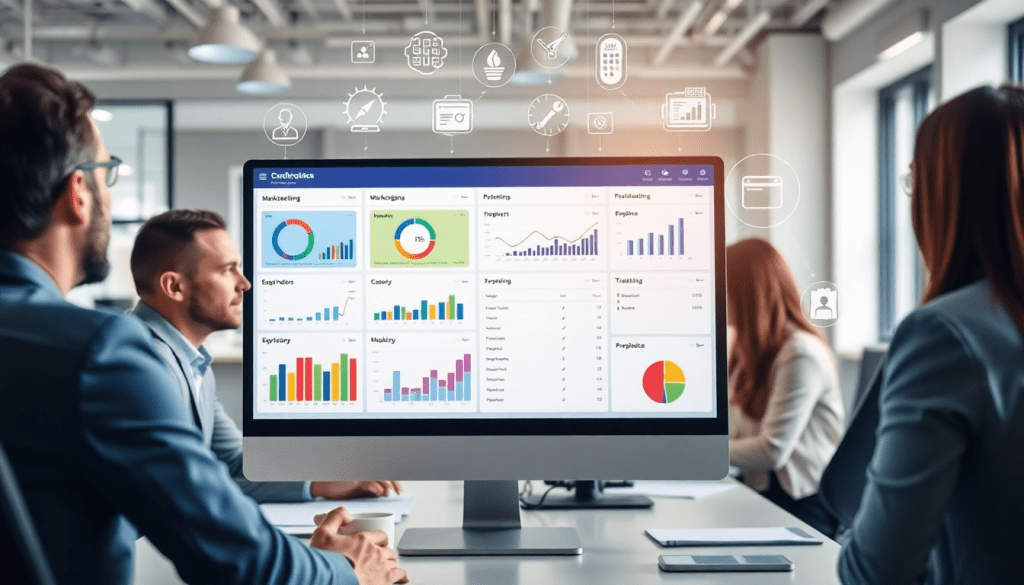
Performance Marketing Reporting Software: Automate Campaign Insights
Marketing teams and agencies face a constant challenge: making sense of enormous amounts of campaign data across platforms, channels, and clients. Performance marketing reporting software solves this by automating data integration, generating actionable insights, and helping you optimize ad spend in real time. Whether you’re managing a single brand or hundreds of client accounts, the right platform can turn complex reporting into a streamlined, scalable process—freeing you up to focus on strategy, not spreadsheets.
What Exactly Does Performance Marketing Reporting Software Do?
Performance marketing reporting software is the unsung hero behind streamlined, insightful campaign analytics. If you’re managing paid campaigns on Google Ads, Facebook, or countless other platforms, this specialized software turns a tangled mess of data into clear, actionable intelligence.
How Does It Work?
Think of performance marketing reporting software as your always-on campaign analyst. Here’s what it brings to the table:
-
Automated Campaign Data Collection
No more spreadsheets or manual logins. The software pulls real-time data from all your ad platforms—Google, Meta, programmatic, and more. -
Unified Dashboards
Instantly see how every channel is performing, side by side. Key metrics like clicks, conversions, and ROAS are updated live. -
Analytics & Actionable Insights
Built-in analytics highlight trends, surface anomalies, and (with AI-powered platforms) recommend optimizations—so you can react faster and smarter.
Why Does Automation Matter?
- Faster Reporting Cycles: Automated data pulls and report generation free up hours for your team every week.
- Smarter Budgeting: Live dashboards let you spot waste and reallocate spend on the fly.
- Scalable Insights: Whether you’re an agency with 100+ clients or a brand running dozens of campaigns, automation scales with you.
How Do These Tools Differ?
Not all reporting solutions are created equal. Here’s a quick comparison:
| Solution Type | What It Does Well | Where It Falls Short |
|---|---|---|
| Point Tools | Plug-and-play for one channel | Siloed data, limited cross-channel view |
| Traditional BI Solutions | Deep analytics, custom reporting | Requires technical resources, slower setup |
| Unified Platforms (e.g., TapClicks) | End-to-end data, reporting, workflow | All-in-one, scalable, minimal manual effort |
Why Choose a Unified Platform Like TapClicks?
Unified platforms go beyond just collecting data:
- Connect 10,000+ data sources with ease
- Automate reporting for every client or campaign
- Blend, normalize, and enrich data for true cross-channel intelligence
- Empower teams with workflow tools, client portals, and AI-powered insights
Ready to See It in Action?
Curious how an all-in-one platform can revolutionize your performance reporting?
Check out the TapClicks marketing analytics report overview to discover how scalable, automated reporting drives better marketing decisions.
Key Features to Look For in a Performance Analytics Tool
Choosing the right performance marketing reporting software hinges on understanding the features that drive efficiency, insight, and client satisfaction. Here are the must-have capabilities every modern platform should offer:
1. Cross-Channel Integration
A top-tier analytics tool seamlessly connects with all your marketing and advertising platforms—Google Ads, Meta, LinkedIn, programmatic DSPs, and more. Unified data integration eliminates manual data pulls, enabling you to monitor campaign performance holistically and make cross-channel comparisons with ease.
2. ROAS Tracking and Real-Time Analytics
Return on Ad Spend (ROAS) tracking is essential for measuring the effectiveness of every dollar spent. Ensure your solution offers real-time analytics for conversion rates, cost-per-acquisition, and other actionable metrics. This empowers teams to optimize campaigns on the fly and allocate budget where it performs best.
3. Custom Dashboards and Visualization
Look for a platform with drag-and-drop dashboard builders and robust visualization tools. Custom dashboards allow you to tailor reporting to each client or stakeholder, showcasing the KPIs that matter most—whether that’s impressions, conversions, or revenue attribution.
4. Automated Report Scheduling
Automated reporting saves hours each week by scheduling and distributing reports to clients and internal teams. This feature ensures stakeholders always have up-to-date insights, reducing back-and-forth and freeing up your analysts for higher-value work.
5. White-Label and Client-Ready Reporting
For agencies and media companies, client-ready reporting is non-negotiable. White-label options let you brand dashboards and reports with your agency’s colors and logos, elevating your professionalism and client experience.
6. Ad Spend Optimization Dashboards
Advanced spend optimization dashboards help you visualize budget pacing, spot under- or over-performing campaigns, and make data-driven adjustments in real time. This not only improves ROI but also demonstrates value to your clients.
For a deeper dive into how these features can boost your agency’s efficiency and streamline reporting, check out this comprehensive guide to marketing dashboard automation for agencies.
Ultimately, the right performance analytics tool should reduce complexity, automate time-consuming tasks, and deliver actionable insights at scale. To see how TapClicks brings all of these features together in one unified platform, visit tapclicks.com.
Automating Campaign Reporting: From Raw Data to Insights
The true power of performance marketing reporting software lies in its ability to transform raw, siloed data into meaningful, actionable insights—without the need for endless manual effort. This automation pipeline typically begins with data ingestion, where the software connects to myriad digital advertising platforms (think Google Ads, Meta, LinkedIn, programmatic, and more) to automatically pull in campaign data in real time. Leading solutions like TapClicks offer thousands of out-of-the-box connectors, ensuring seamless data capture from virtually any source.
Once ingested, the next stage is data normalization. Here, disparate data sets—often with different naming conventions, metrics, and formats—are standardized and blended. This step is critical for accurate cross-channel analysis. Automated normalization ensures that a “click” on Facebook is measured the same way as a “click” on Google, so marketers can confidently compare performance across all campaigns.
With data cleaned and unified, the software moves to visualization. Instead of wrangling spreadsheets, users get instant access to dynamic dashboards and client-ready reports. Features like scheduled reporting eliminate repetitive tasks: reports can be automatically generated and delivered to stakeholders weekly, monthly, or at any custom interval. Advanced platforms even offer automated alerts—for example, notifying you immediately if a campaign’s conversion rate drops below a set threshold or if spend spikes unexpectedly.
Perhaps most impactful is the emergence of AI-powered instant insights. Modern platforms don’t just display data; they analyze it in real time, surfacing trends, anomalies, and optimization opportunities that might otherwise go unnoticed. For agencies managing dozens (or hundreds) of campaigns, this automation reduces manual workload, improves data accuracy, and empowers teams to act quickly—turning reporting from a chore into a strategic advantage.
By integrating directly with digital advertising platforms and automating every step from data ingestion to insights, performance marketing reporting software enables marketers to focus on what matters most: campaign optimization, client strategy, and business growth.
Optimizing Ad Spend with ROAS Tracking Platforms
Return on Ad Spend (ROAS) is one of the most critical metrics in performance marketing, serving as a clear measure of how effectively your advertising dollars generate revenue. In essence, ROAS answers the question: “For every dollar invested in advertising, how much revenue did we earn?” Monitoring and optimizing ROAS empowers marketers to make data-driven decisions, ensuring that every campaign delivers measurable value.
Performance marketing reporting software elevates ROAS tracking far beyond spreadsheets and manual calculations. By automatically aggregating data across platforms—Google Ads, Meta, LinkedIn, and more—these tools provide real-time ROAS visualization at every level: campaign, channel, audience, or creative. Marketers can quickly identify which campaigns are driving the highest returns and which need adjustment, without waiting for end-of-month reconciliations.
One of the most powerful features of modern ROAS tracking platforms is automated budget pacing. Dashboards equipped with predictive analytics help you spot overspending or underspending before it impacts performance, and recommend budget reallocations to the most efficient channels. This means your ad dollars are continually optimized for the best possible outcome—a crucial advantage in today’s fast-moving digital landscape.
To maximize ROAS, best-in-class platforms also support custom rules, alerts, and automated reporting. For example, you can set up alerts when a campaign’s ROAS dips below your target threshold, or generate scheduled reports that highlight top-performing keywords or placements. This proactive approach allows marketing teams and agencies to act quickly, reallocating spend and adjusting creatives to improve results.
For deeper guidance on building high-performance campaigns and leveraging data-driven insights, explore these ad targeting and performance strategies. By combining robust ROAS tracking with precision ad targeting, you’ll create campaigns that continually improve—and prove—their value.
Conversion Rate Analytics and Digital Advertising Insights
Conversion rate analytics are fundamental to understanding the efficiency of your marketing campaigns and directly inform both strategic and tactical adjustments. By tracking how many users complete desired actions—such as purchases, sign-ups, or downloads—relative to total interactions, marketers gain a clear view of what’s working and what isn’t in their funnel.
Modern performance marketing reporting software offers far more than simple aggregate conversion rates. Advanced platforms break down performance by channel (search, social, display, etc.), creative asset, audience segment, and even time of day. This granular approach allows marketers to pinpoint exactly where conversions are highest—and where campaigns may be leaking potential. For example, performance data might reveal that a particular Instagram ad set converts at twice the rate of its Facebook counterpart, or that a landing page update has lifted sign-ups among a specific demographic.
These granular insights are not just descriptive—they’re actionable. With automated analytics tools, marketers receive real-time or scheduled reports highlighting significant changes in conversion performance. Some solutions surface AI-driven recommendations, such as reallocating budget to high-performing creatives or suggesting bid adjustments for underperforming audiences. This proactive approach ensures that campaign optimizations happen quickly, maximizing return on ad spend and driving better business outcomes.
Ultimately, robust conversion rate analytics empower teams to move beyond guesswork. They provide the data needed for continuous improvement, helping marketers adapt to changing consumer behaviors and evolving platform algorithms. For agencies and in-house teams alike, leveraging these insights translates to more effective campaigns, happier clients, and measurable growth. To see how advanced analytics reporting can transform your advertising outcomes, explore the TapClicks marketing analytics platform.
Cross-Channel Campaign Tracking: A Unified View
One of the biggest hurdles in performance marketing reporting is the fragmentation of data across multiple platforms—Google Ads, Meta, LinkedIn, TikTok, and more. Each network offers its own analytics, dashboards, and export formats, forcing marketers and agencies to juggle countless logins and manually consolidate reports. This fragmented approach not only eats up precious time but also increases the risk of errors and makes it difficult to see the bigger picture.
Unified performance dashboards solve this by aggregating campaign data from every channel into a single, cohesive view. Instead of toggling between disparate reports, you can monitor all your campaigns’ key metrics—impressions, clicks, spend, conversions, and ROAS—in real time, side by side. This holistic oversight is invaluable for agencies managing dozens or even hundreds of clients, as well as for brands running multi-platform campaigns. With a consolidated dashboard, you can quickly spot trends, compare channel performance, and make faster, more informed decisions about where to allocate budget for maximum impact.
For example, platforms like TapClicks offer expansive data integration capabilities, seamlessly connecting to thousands of marketing and advertising sources. Whether you’re tracking paid search, social, programmatic, or even offline channels, TapClicks brings it all together—automating data ingestion and delivering a unified analytics experience. This not only simplifies cross-channel reporting but also empowers teams to generate client-ready reports, uncover actionable insights, and optimize campaigns from a single source of truth. In today’s fast-paced digital landscape, that unified view is the foundation for scalable, data-driven marketing success.
Performance Marketing Automation: Scale and Efficiency
Modern agencies and marketing teams don’t just need better reporting—they need reporting at scale. As digital campaigns multiply across platforms and clients, managing performance data manually quickly becomes unsustainable. This is where marketing automation steps in, transforming the way teams handle high-volume reporting and complex stakeholder needs.
Automation supports high-volume reporting and multi-client management by centralizing data ingestion, normalization, and visualization across thousands of campaigns. Instead of cobbling together spreadsheets or juggling point solutions, unified platforms like TapClicks allow you to schedule, customize, and deliver branded reports to dozens—or even hundreds—of clients with just a few clicks. This kind of scale is essential for agencies and enterprise teams serving multi-location brands or diverse client portfolios, ensuring consistency and accuracy no matter how many campaigns you’re running.
Beyond saving time, automation delivers powerful workflow benefits. Centralized workflow modules let you set up automated approval processes, assign roles for collaboration between sales, ops, and fulfillment teams, and control stakeholder access to dashboards and data. Whether it’s an agency account manager sharing performance summaries with a client, or an in-house marketer collaborating with finance on budget allocation, automation ensures everyone can access the insights they need—securely and efficiently.
Perhaps most importantly, automation dramatically reduces reporting workload. By eliminating manual data pulls, repetitive dashboard updates, and error-prone spreadsheet work, performance marketing automation can save analysts and account teams upwards of 50 hours per month. Automated alerts and scheduled report delivery mean you can spot trends or issues in real time, rather than waiting for monthly reporting cycles.
In a world where agility and scale drive marketing success, automation gives your team the bandwidth to focus on strategy, optimization, and client service—turning your reporting process from a bottleneck into a competitive advantage.
Choosing the Best Paid Media Dashboard for Your Needs
Selecting the right performance marketing reporting software is a strategic decision with major implications for your team’s efficiency and your campaign success. To ensure you invest in a platform that truly fits your needs, use this checklist as a guide:
1. Customizability:
Can you tailor dashboards, metrics, and reports to reflect your unique KPIs and branding? Look for solutions that offer drag-and-drop editors, white-labeling options, and the ability to build custom visualizations so your stakeholders get exactly the insights they need.
2. Scalability:
Does the software handle your current workload—and will it grow with you? Evaluate platforms on their ability to manage hundreds of clients, thousands of campaigns, or multi-location reporting without performance bottlenecks.
3. Integrations:
Check for robust, ready-to-use connectors with the ad platforms, analytics tools, and CRMs your business relies on. The best platforms, like TapClicks, offer extensive libraries of integrations, including cross-channel marketing data and enrichment tools for seamless, automated data flows.
4. Automation Capabilities:
How much manual work does the platform eliminate? Prioritize solutions with automated data ingestion, normalization, scheduled reporting, and AI-powered insights—these features can save your team dozens of hours every month.
5. Collaboration & Access Controls:
Does the platform support your workflow? Look for features like role-based permissions, approval flows, and client portals to streamline collaboration across sales, marketing, and fulfillment teams while maintaining data security.
6. Support & Onboarding:
Responsive customer support, training resources, and onboarding assistance are vital for a smooth transition. Review the vendor’s reputation for client support and ongoing product development.
7. Demo & Trial Opportunities:
Never commit blindly. Request a live demo and, if possible, a trial period to test the platform with your own data. This hands-on approach helps you evaluate ease of use, reporting accuracy, and overall fit.
For deeper insights on analytics and marketing automation, be sure to review TapClicks’ guide to marketing analytics reporting and automation. With the right evaluation process, you’ll find a paid media dashboard that empowers your team, delights your clients, and drives better results—at scale.
Start Automating Your Marketing Data Today!
No Credit Card Required.

