

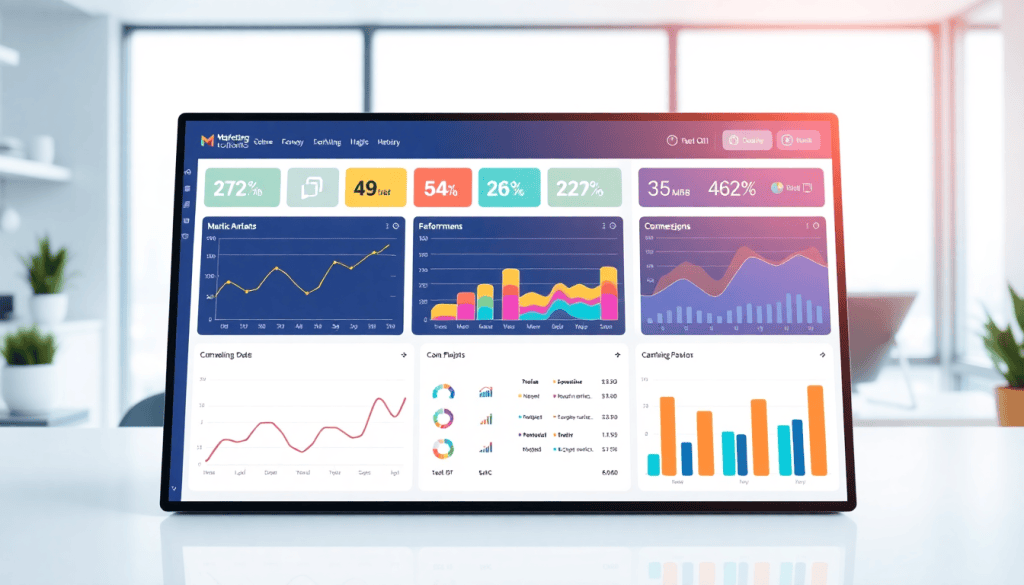
Performance Marketing Reporting Software: Automate Campaign Insights
Choosing the right performance marketing reporting software can transform how agencies, brands, and media teams understand their campaigns. Automating campaign reporting, consolidating cross-channel data, and delivering actionable insights are now table stakes for growth-focused marketing teams. This guide breaks down what to look for, how top solutions work, and why automation is key to data-driven decision-making in modern performance marketing.
What Is Performance Marketing Reporting Software?
Performance marketing reporting software is a specialized digital tool designed to automate, aggregate, and visualize campaign data across multiple channels—think search, social, display, and more. Unlike generic analytics platforms or manual spreadsheet tracking, this software is purpose-built for marketers who need to monitor outcomes like clicks, conversions, ROAS, and cost-per-action in real time. Its core role is to centralize performance data from every campaign, making it possible for teams to quickly understand what’s working, optimize budgets, and clearly communicate results internally or to clients.
Whereas basic analytics tools might only show siloed data from one platform (such as Google Ads or Facebook), and spreadsheets require painstaking manual updating, performance marketing reporting software connects directly to dozens—or even thousands—of data sources. This means that campaign insights are always up to date, consistent, and available at a glance.
Key features include automated campaign reporting (with scheduled or on-demand reports), multi-channel data aggregation (pulling in metrics from all your ad platforms), and actionable dashboards that visualize spend, performance trends, and goal progress. These tools empower agencies, brands, and enterprise teams to move beyond “what happened?” to “why it happened—and what to do next.” By streamlining the collection and analysis of marketing data, performance marketing reporting software becomes the backbone of effective, data-driven campaign management.
Core Features to Look For
When evaluating performance marketing reporting software, it’s essential to focus on features that will automate, streamline, and elevate your marketing operations. The right tool will do more than just collect data—it will turn that data into actionable insights and drive real business outcomes. Here are the must-have capabilities:
-
Automated Campaign Reporting: Look for software that eliminates manual data pulls by automatically aggregating performance metrics from all your marketing channels. Automated reporting ensures stakeholders always have access to the latest results, reduces human error, and saves valuable analyst hours.
-
Performance Analytics Tool Integrations: Your reporting solution should connect seamlessly with a wide range of ad platforms (Google Ads, Facebook, LinkedIn, TikTok, and more) as well as analytics, CRM, and data warehousing tools. Deep integration unlocks richer analysis and eliminates data silos.
-
Ad Spend Optimization Dashboards: Effective platforms provide dashboards that monitor budget pacing, reveal spend anomalies, and recommend optimizations in real time. These dashboards help marketers spot underspending or overspending before it impacts performance.
-
ROAS Tracking Platforms: To truly measure marketing effectiveness, you need robust Return on Ad Spend (ROAS) tracking. Modern reporting tools calculate ROAS at campaign, channel, or even ad level, providing the clarity needed to allocate budgets for maximum impact.
-
Conversion Rate Analytics: Understanding which campaigns and channels drive the highest conversion rates is critical. Look for solutions that break down conversions by audience, creative, and channel, so you can double-down on what works.
-
Cross-Channel Campaign Tracking: The best solutions offer a unified view of all your campaigns—across search, social, display, video, and more—so you can compare performance, optimize allocation, and present holistic insights to clients or stakeholders.
For a deeper dive into these features and how they drive powerful results, check out TapClicks' marketing analytics report guide. This resource details how advanced reporting platforms bring together automation, analytics, and visualization to supercharge your marketing strategy.
How Automated Reporting Transforms Campaign Management
Automated campaign reporting has fundamentally changed the way marketing teams operate—especially for agencies and brands juggling dozens or even hundreds of campaigns at once. By eliminating the need to manually collect, clean, and compile performance data from multiple sources, automated reporting tools save marketing teams countless hours every month. Instead of spending valuable time building spreadsheets or tracking down the latest numbers, strategists and analysts can focus on interpreting results, optimizing campaigns, and serving clients.
This automation doesn’t just save time; it also significantly reduces the risk of manual errors that can occur when copying and pasting data or updating reports by hand. With automated reporting, performance data flows directly from source platforms—like Google Ads, Facebook, or programmatic ad channels—into unified dashboards and scheduled reports. This ensures accuracy, consistency, and real-time visibility, empowering marketing teams to react quickly to changes in campaign performance.
For agencies managing multiple clients, automation is a game-changer. With a single reporting platform, agencies can set up templated dashboards, schedule delivery of branded reports, and easily customize analytics for each client’s unique needs. This not only enhances client satisfaction but also allows agencies to scale their operations without adding headcount or risking quality.
Real-world examples underscore these efficiency gains. As highlighted in this deep dive on marketing dashboard automation, marketing operations platforms like TapClicks have helped agencies reduce manual reporting time by 50+ hours per analyst each month. The result: more bandwidth for strategic work, better campaign visibility, and happier clients—all driven by the power of automated reporting.
To learn more about how TapClicks enables these transformative automation capabilities, visit TapClicks.
Turning Data into Insights: Performance Analytics Tools
Raw marketing data alone offers little value until it’s transformed into clear, actionable insights. This is where performance analytics tools shine—they automate the process of converting complex data streams into digestible, decision-ready intelligence. By harnessing these tools, marketers gain the ability to visualize campaign effectiveness, spot emerging trends, and act quickly on optimization opportunities.
Modern performance analytics platforms enable users to build custom dashboards that go far beyond static spreadsheets. Imagine accessing a paid media dashboard that unifies Google Ads, Facebook, programmatic, and e-commerce results in real time. With drag-and-drop report builders and flexible visualization options, teams can create tailored exports for every client or stakeholder—no more manual data wrangling or error-prone copy-pasting.
The real power lies in surfacing digital advertising insights that drive action. Automated anomaly detection, pacing alerts, and AI-driven recommendations help marketers pinpoint what’s working and where budgets should shift. Instead of sifting through endless rows of campaign data, teams are empowered with clear narratives: which channels are delivering the best ROAS, which creative assets are outperforming, and where to double down for growth.
Platforms like TapClicks’ smarter reporting platform take this a step further, offering AI agents that scan dashboards to highlight notable shifts, performance anomalies, and optimization opportunities. The result is not just reporting for reporting’s sake, but a continuous cycle where data leads directly to smarter decisions and better outcomes.
In short, the best performance analytics tools don’t just present data—they translate it into insights that fuel campaign improvement, client satisfaction, and measurable ROI. To see how unified analytics and reporting can elevate your marketing, explore more at TapClicks.
Cross-Channel Campaign Tracking and ROAS Optimization
Today’s marketing landscape is fragmented across countless platforms—search, social, display, video, and more. Tracking campaign performance in silos leads to incomplete insights and missed opportunities. That’s why robust cross-channel campaign tracking is no longer optional; it’s essential. Marketers need unified visibility into all their channels to fully understand customer journeys, optimize spend, and communicate impact to stakeholders.
Unified dashboards are at the heart of effective cross-channel reporting. With the right performance marketing reporting software, you can automatically aggregate data from Google Ads, Facebook, LinkedIn, programmatic networks, and dozens of other sources into a single, holistic view. This consolidation isn’t just a time-saver—it ensures you’re seeing the complete picture, allowing for apples-to-apples comparisons and more accurate performance analysis. Whether you’re building client-ready reports or internal analytics dashboards, having every channel’s data side by side enables smarter, faster decision-making.
A major advantage of these platforms is real-time ROAS (Return on Ad Spend) tracking and ad spend optimization dashboards. Instead of manually combining spreadsheets to calculate ROI, modern solutions analyze spend and revenue data from every campaign, surfacing which channels, creatives, and tactics are truly driving results. With built-in ROAS tracking, marketers can quickly identify underperforming areas, reallocate budgets, and experiment with new strategies—all backed by granular, up-to-date data.
For agencies and brands managing high volumes of campaigns, this cross-channel approach is a game changer. It allows for:
- Clear attribution: Track conversions across platforms and devices to see the true impact of each channel.
- Budget optimization: Use automated insights to shift spend towards high-performing campaigns, improving overall marketing ROI.
- Consistent reporting: Deliver standardized, client-ready reports that showcase unified performance metrics, making success easy to communicate.
TapClicks, for example, enables this level of integration with over 10,000 marketing and advertising data connectors, letting teams blend and normalize multi-channel datasets effortlessly. Its dashboards and ROAS optimization tools empower marketers to move beyond basic reporting and into the realm of proactive, data-driven campaign management. Learn more about how unified reporting and optimization can streamline your marketing operations at TapClicks.
Use Cases: Agencies, Brands, and Enterprise Teams
Performance marketing reporting software delivers transformative value across the marketing ecosystem, tailoring its benefits to the unique needs of agencies, brands, and enterprise teams.
Agencies: For agencies, the stakes are high—juggling performance across dozens or even hundreds of client accounts. Automated reporting platforms like TapClicks enable agencies to centralize all campaign data, regardless of channel or client volume. This means less time spent on manual data wrangling and more time devoted to strategic client service. Agencies can deploy branded, client-ready dashboards, automate recurring reports, and instantly surface cross-channel insights. This not only impresses clients with real-time transparency but also empowers account managers to proactively optimize campaigns, driving retention and upsell opportunities.
Brands: Brands, especially those with multiple locations or complex multi-channel campaigns, benefit from unified reporting environments that break down silos between paid search, social, display, and more. Performance marketing reporting software allows brand managers to monitor every location or business unit from a single interface, ensuring consistency and comparability across markets. These platforms make it easy to spot high-performing tactics, manage budget pacing, and adjust creative or channel mix on the fly—all with automated, visualized data. This capability is essential for brands aiming to maximize ROI and maintain messaging consistency at scale.
Enterprise Teams: At the enterprise level, the demand for advanced integrations is paramount. Performance marketing reporting solutions act as a central hub, feeding harmonized marketing data into BI tools, CRMs, and even finance platforms. This deep integration supports comprehensive marketing analytics and enables collaboration across departments, from marketing to sales to finance. Enterprise teams can leverage AI-driven insights for more precise budget planning, predictive analytics for performance forecasting, and granular reporting that satisfies the needs of both marketing leaders and C-suite executives.
No matter the organization’s size or structure, unified performance marketing reporting software like TapClicks streamlines operations, enhances visibility, and powers smarter decision-making across the entire marketing workflow.
Choosing the Best Performance Marketing Reporting Solution
Selecting the right performance marketing reporting software is a critical decision that can shape the way your agency, brand, or enterprise team operates. To ensure you’re making an investment that scales with your needs, keep these core criteria in mind:
1. Scalability:
Your reporting platform should grow alongside your business. Whether you’re an agency juggling hundreds of clients or a brand overseeing dozens of locations, the software must handle high data volumes, multiple dashboards, and complex reporting structures without bottlenecks.
2. Integration Ecosystem:
Evaluate the breadth and depth of supported integrations. Leading platforms connect seamlessly to thousands of marketing, advertising, and business data sources, from Google Ads and Facebook to CRMs and finance tools. Robust integration capabilities enable true cross-channel visibility and eliminate manual data stitching.
3. Usability and Customization:
A user-friendly interface with drag-and-drop dashboard builders, customizable templates, and role-based access ensures all stakeholders—from analysts to account managers—can extract value. Look for solutions that let you tailor reporting to client or internal requirements without developer intervention.
4. Automation and AI:
Automation is more than just scheduled reports. The best platforms deliver AI-driven insights, campaign scoring, and optimization recommendations directly to your team. Features like automated data pulls, error detection, and proactive alerts minimize manual work and surface opportunities for growth.
5. Support and Security:
Responsive support, comprehensive onboarding, and robust security protocols are essential, especially for agencies managing sensitive client data or enterprise teams with compliance requirements.
Why TapClicks?
Platforms like TapClicks stand out by unifying data integration, reporting, analytics, and workflow into a single, scalable solution. With over 10,000 connectors, advanced AI agents, and automated reporting tools, TapClicks enables teams to consolidate operations, unlock actionable insights, and streamline collaboration—making it a preferred choice for agencies, brands, and enterprise marketing teams with diverse, evolving needs.
In summary, prioritize solutions that adapt to your unique workflows, offer advanced automation, and provide the scale and flexibility needed for today’s dynamic marketing environment. This strategic approach will empower you to turn reporting from a burden into a competitive advantage.
Getting Started: Implementation Tips and Best Practices
Implementing performance marketing reporting software doesn’t have to be overwhelming. The right approach ensures a smooth transition, empowers your team, and maximizes the return on your technology investment. Here’s how to get started:
1. Define Clear Objectives and Success Metrics
Begin by aligning stakeholders around clear goals—whether it’s reducing manual reporting hours, improving campaign visibility, or centralizing multi-channel data. Identify the KPIs and performance metrics that matter most to your organization and clients. This focus helps you configure dashboards and reports to deliver the insights you actually need.
2. Audit Data Sources and Integrations
Inventory all the marketing platforms, ad accounts, and analytics tools you plan to connect. Many leading solutions, such as TapClicks, offer thousands of pre-built connectors for search, social, programmatic, and CRM platforms. Ensure your chosen software supports seamless integration with your existing stack, reducing manual work and data silos from day one.
3. Streamline Team and Client Onboarding
Create a step-by-step onboarding plan for both internal teams and client stakeholders. Set up user permissions based on roles, and provide training on dashboard customization, automated report scheduling, and data interpretation. Clear documentation and short video walk-throughs can accelerate adoption and minimize confusion.
4. Automate for Consistency and Scale
Leverage automation features to schedule regular dashboard updates and report deliveries. Automated workflows minimize manual intervention, reduce errors, and ensure everyone—internally and externally—receives timely, accurate insights. For agencies, this is especially valuable for managing dozens or hundreds of client accounts simultaneously.
5. Continuously Optimize and Iterate
After launch, solicit feedback from users and clients to uncover additional needs or pain points. Refine your dashboards, experiment with new visualizations, and take advantage of evolving features such as AI-driven insights or predictive analytics. Regularly review your reporting processes to ensure you’re getting the most from your investment.
6. Stay Informed and Leverage Resources
Performance marketing technology is rapidly evolving. Encourage your team to explore tutorials, best practice guides, and use case articles on the TapClicks blog to stay ahead of industry trends and software updates.
By taking a thoughtful, phased approach to implementation, you’ll empower your teams and clients with actionable insights and unlock the full potential of automated performance marketing reporting.
Start Automating Your Marketing Data Today!
No Credit Card Required.

