

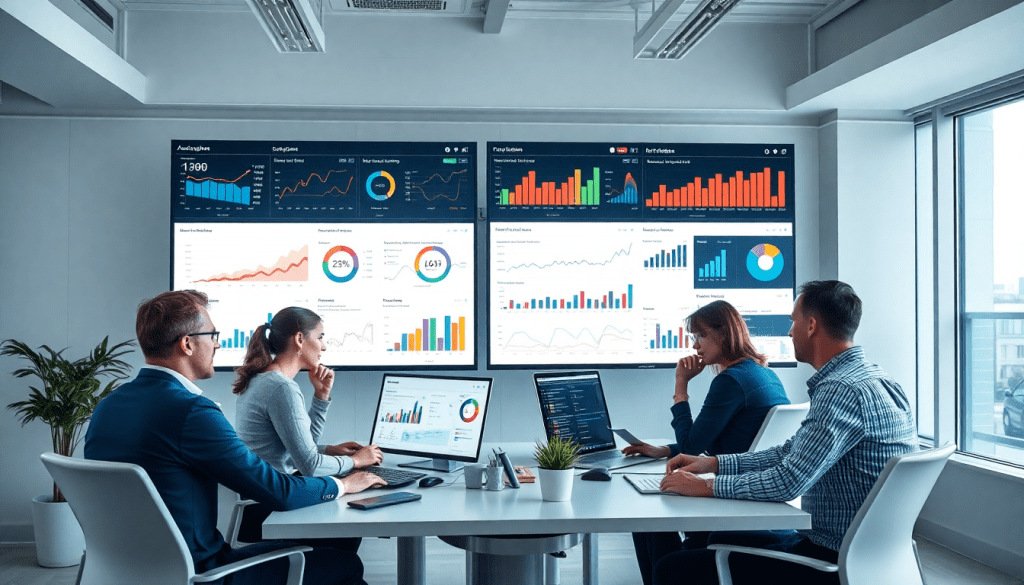
Performance Marketing Reporting Software: Automate Campaign Insights
Performance marketing teams are under pressure to deliver transparent results, optimize ad spend, and prove ROI faster than ever. The right reporting software takes the pain out of gathering, analyzing, and sharing data across channels—empowering marketers and agencies to focus on what matters: driving growth and maximizing every dollar. This guide explores how modern performance marketing reporting software can automate campaign insights, streamline analytics, and transform the way you manage and report paid media performance.
What Is Performance Marketing Reporting Software?
Performance marketing reporting software is a specialized platform designed to centralize, automate, and simplify the analysis of digital advertising campaigns across multiple channels such as search, social, display, and more. Its core purpose is to help marketers, agencies, and brands quickly gather all their campaign performance data in one place, enabling transparent reporting, faster insights, and more effective optimization of ad spend.
At its foundation, this software acts as a unified hub that connects to various advertising platforms (think Google Ads, Facebook, LinkedIn, programmatic display networks, and beyond). Instead of manually collecting spreadsheets or logging into separate dashboards, performance marketing reporting tools pull in data automatically, normalize and enrich it, and present it through real-time dashboards and customizable reports. This centralization is crucial for marketers managing complex, multi-channel paid strategies who need an accurate, consolidated view of results.
Typical features of performance marketing reporting software include automated campaign reporting, cross-channel data integration, and live dashboards that update in real time. These platforms often provide drag-and-drop report builders, branded client portals, and advanced visualizations that make it easy to track KPIs like impressions, clicks, conversions, ROAS, and CPA. Some, such as TapClicks, go further with AI-powered insights and workflow automation to streamline every aspect of marketing operations.
To dive deeper into how these tools work and the impact they can have, check out this guide on "marketing analytics reporting with TapClicks". With the right performance marketing reporting software, organizations can move beyond manual data wrangling and focus on what matters: optimizing campaigns and delivering measurable results.
Key Features of Modern Performance Analytics Tools
The landscape of performance marketing is fast-paced and data-heavy—making the right analytics tools a game-changer for agencies and brands. Modern performance analytics platforms are purpose-built to not just centralize data, but also to deliver actionable insights, streamline operations, and maximize your marketing ROI. Here are the essential features to look for in top-tier performance marketing reporting software:
1. Advanced Performance Analytics Capabilities
At the core, these tools aggregate and process campaign data from every major network—search, social, display, video, and more. Powerful analytics engines enable teams to slice and dice metrics across campaigns, channels, locations, and clients, surfacing trends and anomalies that drive smarter decisions.
2. Ad Spend Optimization Dashboards
Sophisticated dashboards provide real-time visibility into spend, pacing, and performance against budget. Marketers can quickly identify over- or underperforming channels and shift budgets on the fly, ensuring every dollar is working toward campaign goals. These interfaces are designed for at-a-glance insights, making budget management both efficient and effective.
3. Robust ROAS Tracking Platforms
Return on Ad Spend (ROAS) is a critical metric for any paid media strategy. Modern platforms automate the calculation and visualization of ROAS across campaigns and channels, supporting granular analysis by creative, audience, or geography. This empowers marketers to double down on what’s working and cut waste from underperforming efforts.
4. Conversion Rate Analytics
Understanding how clicks convert to leads or sales is at the foundation of performance marketing. Leading reporting tools ingest conversion data from multiple sources—landing pages, ecommerce systems, CRMs—and normalize it for clear, cross-channel comparison. Built-in analytics highlight which campaigns and assets are driving the most valuable actions.
5. Paid Media Dashboard Customization
No two agencies or brands have the same reporting needs. The best tools offer drag-and-drop dashboard builders and branded templates, letting users create tailored views for executives, clients, or tactical teams. Filters, widgets, and role-based access ensure each stakeholder gets the data that matters most to them.
Automation, Visualization, and Data Enrichment: The Winning Trio
What sets modern platforms apart is the seamless blend of automation, compelling visualizations, and smart data enrichment. Automated ETL (Extract, Transform, Load) pipelines remove the burden of manual data wrangling. AI-powered insights and customizable charts turn complex datasets into clear, actionable stories. Data enrichment tools blend and normalize campaign metrics—so you can finally compare apples to apples across platforms.
Platforms like TapClicks combine all these features into an integrated solution, making it possible for marketers to manage thousands of reports, visualize ROI, and act on performance insights—at scale, and with confidence.
Why Automated Campaign Reporting Changes Everything
Automated campaign reporting isn’t just a time-saver—it’s a strategic advantage for performance marketing teams facing growing client demands and ever-expanding data sources. Here’s how automation transforms your day-to-day and your bottom line.
🚀 The Top Reasons to Automate Your Reporting
1. Say Goodbye to Manual Drudgery
- No more repetitive data pulls: Automation eliminates hopping between ad platforms, downloading CSVs, and wrestling with spreadsheets.
- TapClicks advantage: Instantly connect to thousands of platforms—data flows in on schedule or in real time.
- Result: Analysts reclaim dozens of hours per month to focus on strategy, not data entry.
2. Accuracy and Consistency—Every Time
- Reduce human error: Automated reports are built from standardized, up-to-date data.
- No more copy-paste mistakes: Data normalization ensures apples-to-apples comparisons across channels.
- Build trust: Consistent, reliable reporting builds client confidence and supports sound decision-making.
3. Real-Time Insights for Rapid Decisions
- On-demand dashboards: Skip the wait for end-of-month reports—review campaign performance anytime.
- Faster optimizations: Make agile budget tweaks and creative pivots based on the latest data.
- Scale effortlessly: Manage hundreds of campaigns or clients without adding headcount.
⚡ How Agencies and Brands Use Automated Reporting
| Challenge | Manual Reporting | Automated Reporting (TapClicks) |
|---|---|---|
| Data Collection | Time-consuming, error-prone | Seamless, scheduled integrations |
| Report Generation | Hours per report | Instant, auto-generated dashboards |
| Multi-Channel Consistency | Difficult to standardize | Data normalized and unified |
| Scalability | Limited by team size | Effortlessly manage 10x more accounts |
🔑 Making the Most of Automation
- Integrate reporting with TapClicks dashboards for a single source of truth.
- Schedule automated report delivery to internal teams and clients.
- Monitor insights in real time to optimize campaigns proactively.
For more real-world tips and proven strategies, explore "digital marketing analytics software for better reporting".
The Takeaway
Automated campaign reporting isn’t just about working faster; it’s about working smarter—with better data, fewer mistakes, and the ability to scale your impact across every client and campaign. With TapClicks, transform your reporting from a bottleneck into a growth engine.
How Ad Spend Optimization Dashboards Drive Better Results
In today’s fast-paced digital landscape, marketing teams can’t afford to wait weeks—or even days—to find out if their ad budgets are working. Ad spend optimization dashboards deliver the real-time intelligence necessary to maximize return on investment, offering instant visibility into campaign performance and enabling smarter, faster budget decisions.
Real-Time Budget Allocation and Adjustment
Ad spend optimization dashboards empower marketers to shift budgets proactively, rather than reactively. By aggregating spend data across all your active channels—search, social, display, and more—these dashboards reveal which campaigns are delivering the highest ROAS (Return on Ad Spend) or lowest CPA (Cost Per Acquisition) at any given moment. Instead of relying on spreadsheets or manual exports, marketers can spot underperforming ads and reallocate dollars to top performers with just a few clicks, ensuring every dollar works harder.
Instant KPI Monitoring
Performance marketing thrives on key metrics. With an optimization dashboard, critical KPIs such as ROAS, CPA, CTR (Click-Through Rate), and conversion rates are tracked in real time. This instant visibility lets both agencies and in-house teams catch anomalies or opportunities as soon as they arise—like a sudden drop in conversions or a surge in ROI from a new creative. Automated alerts and visual cues further streamline the process, making it easy to act on data without poring over endless reports.
Ad Spend Optimization Workflows: Agency & In-House Examples
For agencies juggling dozens or even hundreds of client campaigns, a unified dashboard consolidates spend and performance data across accounts, regions, and channels. Teams can set up automated rules to pause ineffective ads, boost high-performing placements, or notify account managers about budget thresholds—all from one interface. In-house marketing teams, especially at multi-location brands, use these dashboards to compare results across locations, optimize for local market conditions, and ensure budget alignment with business goals.
With solutions like TapClicks, you can go even further—leveraging AI-powered insights and predictive models to receive proactive optimization recommendations and forecast future performance. This means less guesswork, reduced manual effort, and a marketing budget that’s always tuned for maximum impact.
Ultimately, ad spend optimization dashboards aren’t just about tracking numbers—they’re about unlocking the agility and confidence to drive better results, every day.
Cross-Channel Campaign Tracking: Why It Matters
One of the biggest hurdles in performance marketing is the fragmentation of data across different channels—search, social, display, video, and more. When each channel operates in its own silo, marketers are forced to juggle countless logins, spreadsheets, and reporting formats just to piece together a basic picture of campaign performance. This patchwork approach not only eats up valuable time, but it also leaves room for errors, inconsistencies, and missed opportunities.
Unified platforms address these challenges by centralizing campaign data from all relevant sources into a single, cohesive system. Instead of manually aggregating numbers from Google Ads, Facebook, LinkedIn, and programmatic platforms, marketers can access a real-time dashboard that paints a holistic picture of every campaign’s impact. This seamless cross-channel campaign tracking is more than just a convenience—it’s a game-changer for digital marketing strategy.
With a unified view, strategists and clients alike gain the ability to compare performance metrics side by side, identify which channels are truly driving conversions, and confidently allocate budget for maximum ROI. Cross-channel insights reveal how campaigns influence each other, illuminate the full customer journey, and help avoid attribution blind spots. Ultimately, the result is smarter decision-making, more agile optimizations, and a clearer story of marketing’s value—both internally and for clients.
Platforms like TapClicks are purpose-built to deliver this unified view at scale, with automated data integration and customizable dashboards that make cross-channel tracking simple, reliable, and actionable. By breaking down data silos, performance marketers can finally see the complete picture—and unlock new levels of efficiency and insight.
Building Client-Facing Performance Reports with Automation
Delivering clear, compelling performance reports is essential for building trust and demonstrating value to your clients. However, manual report creation can be time-consuming and prone to error—especially when managing multiple campaigns and clients across diverse channels. Automated performance marketing reporting software solves this by streamlining every step of the process, ensuring your agency or in-house team delivers accurate, branded, and actionable insights at scale.
Best Practices for Automated, Branded Client Reports
To create reports that impress clients and save your team hours each month, start by leveraging customizable templates and white-label branding features. Modern solutions allow you to automatically insert logos, color schemes, and personalized cover pages—so every report feels tailor-made, without the manual effort.
Set up dynamic filters to ensure each client only sees the data relevant to their goals and campaigns. This might include breaking down performance by channel, region, or product line. Use drag-and-drop widgets to highlight KPIs that matter most, such as ROAS, conversions, or spend efficiency. This not only enhances readability but also helps clients focus on results that drive business impact.
Scheduling, Filtering, and Seamless Sharing
With automation, you can schedule reports to be generated and delivered at any cadence—weekly, monthly, or even daily—ensuring clients always have the latest insights without delay. Built-in filtering tools enable the creation of tailored views for different stakeholders, from high-level executive summaries to deep-dive analytics for marketing managers.
Sharing is equally straightforward: reports can be sent as secure links, PDFs, or interactive dashboards, giving clients direct access to their data whenever they need it. Some platforms even offer client portals with role-based access, so clients can explore live dashboards and drill down into campaign specifics.
For a deeper dive into how agencies are using automated dashboards to boost efficiency and client satisfaction, check out this guide on "marketing dashboard automation for agencies".
By automating the creation and delivery of client-facing performance reports, marketing teams can focus on strategic optimization while enhancing transparency and communication—turning reporting from a chore into a competitive advantage.
Choosing the Right Performance Marketing Reporting Software
Selecting the ideal performance marketing reporting software is a pivotal decision for agencies and brands seeking to maximize marketing ROI and operational efficiency. To ensure you choose a platform that delivers on both current and future needs, use this checklist of must-have capabilities:
1. Comprehensive Data Integration:
Look for solutions that natively connect with a wide range of advertising, analytics, and business platforms (Google Ads, Meta, TikTok, programmatic, CRM, etc.). The ability to unify data from all your marketing channels is foundational to accurate, holistic reporting.
2. Automated ETL/ELT and Data Enrichment:
Prioritize tools that automate data extraction, transformation, and loading (ETL/ELT) processes, and offer built-in data normalization. This minimizes manual effort and ensures consistent, reliable data for cross-channel analysis.
3. Customizable, Branded Dashboards and Reports:
Opt for platforms that allow easy drag-and-drop dashboard creation, flexible widget customization, and white-labeling for client-ready presentations. Automated scheduling and sharing features further increase efficiency.
4. Real-Time Performance Analytics & AI Insights:
Choose software that provides not just static reports, but real-time dashboards and AI-powered insights—such as anomaly detection, predictive modeling, and actionable optimization recommendations.
5. Workflow and Collaboration Tools:
Especially important for agencies and large teams, your platform should support streamlined workflow, role-based access, and centralized campaign/order management to reduce operational friction.
6. Scalability and Security:
Ensure the solution can handle your current volume of clients, campaigns, and data, with room to grow. Enterprise-grade security and compliance features are essential for protecting sensitive marketing data.
Self-Serve Dashboards vs. Fully Managed Platforms:
- Self-Serve solutions empower users to build and manage their own reports and dashboards, offering flexibility and control, but may require more onboarding and technical know-how.
- Fully Managed platforms provide end-to-end setup, maintenance, and support, which can save time but may offer less customization.
Consider your team’s technical expertise, volume of reporting, and the level of customization required when weighing these options.
Questions to Ask When Evaluating Solutions
- Can the software integrate with all my current (and future) marketing and business data sources?
- How automated and customizable are the reporting and dashboard creation processes?
- What AI or advanced analytics capabilities does the platform provide?
- How does the platform support collaboration and workflow for multiple users or clients?
- What is the learning curve and support structure for onboarding and ongoing use?
- How does pricing scale with increased data volume or number of users/clients?
For an all-in-one platform that excels in data integration, automated analytics, and workflow efficiency, TapClicks is a leading choice for agencies, brands, and enterprise teams seeking to unify and automate marketing performance reporting at scale.
By focusing on these criteria, you’ll be equipped to select performance marketing reporting software that not only meets your immediate needs, but also drives efficiency, transparency, and smarter decision-making as your business evolves.
Wrapping Up: Why Automated Reporting Is a Game-Changer
Switching to automated performance marketing reporting isn’t just about saving time—it’s about gaining a real edge in a competitive landscape. Here’s how modern reporting platforms like TapClicks transform your workflow:
- All Your Data in One Place: No more jumping between spreadsheets or dashboards. Consolidate multi-channel data and see the full picture instantly.
- Real-Time, Actionable Insights: Stop waiting for manual reports. Automated analytics surface trends and opportunities the moment they happen.
- Focus on What Matters: With reporting automated, your team can dedicate more energy to campaign optimization and strategy—not data wrangling.
What This Means for Your Agency or Brand
- Save Hours Every Week: Eliminate repetitive tasks and manual exports.
- Increase Accuracy: Reduce human error and ensure consistent, reliable reporting.
- Deliver More Value: Impress clients or stakeholders with timely, transparent results and data-driven recommendations.
Ready to Take the Next Step?
As transparency and performance expectations keep rising, automated reporting is now table stakes for marketing teams that want to stay ahead. Here’s how to get started:
- Evaluate Your Unique Needs: Consider your data sources, reporting frequency, and client requirements.
- Test-Drive Your Options: Don’t settle—try platforms to see which best fits your workflow.
- See TapClicks in Action: Book a TapClicks demo to unlock deeper insights, save time, and maximize every marketing dollar.
Empower your team with the tools that drive growth. The shift to automation isn’t just an upgrade—it’s a transformation.
Start Automating Your Marketing Data Today!
No Credit Card Required.

