

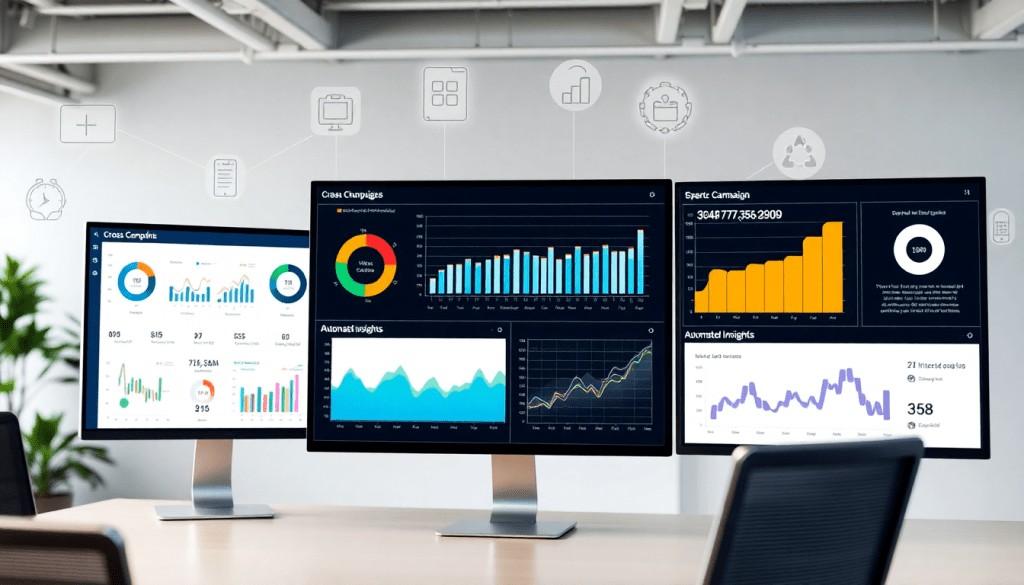
Performance Marketing Reporting Software: Automate Campaign Insights
Performance marketing teams and agencies today are tasked with managing an ever-growing web of campaigns, channels, and KPIs. Tracking ROAS, conversion rates, and ad spend across platforms shouldn’t require hours of manual effort or piecemeal spreadsheets. That’s where performance marketing reporting software steps in—centralizing your data, automating campaign insights, and making client reporting seamless. With the right tools, you can transform raw numbers into actionable digital advertising insights, optimize spend in real time, and deliver professional reports that demonstrate your value. This guide explores how a unified performance analytics tool can modernize your approach, save time, and power better marketing decisions.
What is Performance Marketing Reporting Software?
Performance marketing reporting software is a specialized platform designed to consolidate, analyze, and visualize data from digital advertising campaigns across multiple channels. Its primary function is to automate the process of collecting campaign metrics—such as impressions, clicks, conversions, and spend—from platforms like Google Ads, Facebook, Instagram, LinkedIn, and more, transforming fragmented data into a unified, actionable view.
For agencies and brands alike, the value of automated campaign reporting cannot be overstated. Instead of spending countless hours pulling spreadsheets, reconciling numbers, and manually updating client reports, performance marketing reporting software delivers real-time insights and customized dashboards with a few clicks. This automation not only saves valuable time but also ensures accuracy, consistency, and scalability—critical factors for organizations managing dozens or even hundreds of campaigns simultaneously.
Common features in a robust performance marketing reporting platform include cross-channel campaign tracking, a centralized paid media dashboard, and built-in ROAS (Return on Ad Spend) tracking. These tools enable marketers to monitor key performance indicators (KPIs) across all digital channels in one place, quickly identify what’s working (and what’s not), and optimize campaigns for better results. With drag-and-drop dashboard builders and automated, scheduled reports, even the most complex data sets become accessible and easy to interpret.
To dive deeper into how marketing analytics reporting can transform your workflow and unlock powerful insights, check out this introduction to marketing analytics reporting.
Key Benefits of Automated Campaign Reporting
Automated campaign reporting has become a game-changer for performance marketing teams and agencies seeking to keep pace with an increasingly complex digital advertising landscape. By replacing tedious manual processes with intelligent automation, these tools deliver several critical advantages that directly impact efficiency, accuracy, and client service.
Time Savings and Error Reduction
Automation dramatically reduces the time analysts and account managers spend gathering, cleaning, and compiling data from multiple platforms. Instead of manually logging into each ad platform and piecing together spreadsheets, automated reporting tools pull data from all your sources in real time. This not only eliminates repetitive tasks but also minimizes human error, ensuring that every report is consistent, up-to-date, and trustworthy.
Improved Agency Efficiency and Client Satisfaction
For agencies juggling dozens—or even hundreds—of client accounts, automation streamlines operations. Reports that once took hours (or days) can be generated in minutes, freeing up valuable team resources for higher-level analysis and strategy. This acceleration means clients receive insights faster, fostering greater transparency and proactive communication. As a result, agencies can strengthen relationships and demonstrate their value more effectively, leading to higher client retention rates.
Effortless Scalability
One of the standout benefits of automated reporting is its ability to scale effortlessly alongside your business. Whether you're onboarding new clients, expanding into new channels, or running more campaigns, automation keeps reporting processes smooth and manageable. Standardized templates and workflows ensure that every client receives the same high-quality, professional reporting experience, regardless of volume or complexity.
To dive deeper into how marketing dashboard automation drives agency efficiency—and to see real-world results—check out this overview on marketing dashboard automation for agency efficiency.
By embracing automation, agencies and brands alike can focus less on manual reporting and more on what truly matters: optimizing campaigns, uncovering insights, and delivering outstanding results. To learn more about how these benefits can transform your operations, visit TapClicks.
Must-Have Features in a Performance Analytics Tool
To maximize the value of your performance marketing reporting software, it’s essential to choose a platform equipped with robust, agency-grade features that go beyond basic reporting. Here’s a breakdown of the capabilities that separate best-in-class solutions from the rest:
Ad Spend Optimization Dashboard
A top-tier performance analytics tool provides an intuitive dashboard that consolidates all your ad spend data in one place. This dashboard should offer real-time visibility into budget allocation, pacing, and spend by channel, empowering teams to make adjustments on the fly and eliminate overspending or under-delivery before it impacts results.
ROAS Tracking Platform
Return on Ad Spend (ROAS) is the north star metric for most performance marketers. Look for software that not only aggregates ROAS across platforms—Google Ads, Facebook, programmatic, and more—but also lets you drill down by campaign, creative, or audience. This empowers you to quickly spot what’s delivering value and what isn’t.
Conversion Rate Analytics
Pinpointing where prospects convert—or drop off—is crucial for continuous improvement. A must-have tool will track conversion rates at every step of the funnel, from impressions to clicks to final actions, letting you uncover bottlenecks and optimize landing pages or ad copy for peak performance.
Cross-Channel Campaign Tracking
Modern marketing requires omnichannel oversight. The right platform seamlessly blends data from search, social, display, video, and more, giving you a holistic view of campaign performance. This eliminates data silos, enables true attribution, and helps you understand how each channel contributes to your goals.
Digital Advertising Insights
Automated insights are what transform dashboards from static displays into actionable intelligence. Advanced performance analytics software surfaces trends, anomalies, and opportunities—such as identifying high-performing creatives or flagging underutilized channels—so you can shift strategy proactively and demonstrate results to clients or stakeholders.
Customizable Dashboards and Scheduled Reporting
Every agency and brand has unique needs and KPIs. Look for customizable, drag-and-drop dashboards that allow you to tailor views for different clients or teams. Scheduled, automated reporting is equally important, ensuring stakeholders always have up-to-date, branded reports without manual intervention.
Branded Client Performance Reports
Professionalism matters. Top solutions offer white-label options so you can deliver polished, client-ready performance reports that reinforce your agency’s brand. These outputs should be easy to customize, automate, and distribute—freeing your team from repetitive formatting tasks and enabling more time for strategic work.
In short, the best performance marketing reporting software brings together ad spend optimization, ROAS and conversion analytics, cross-channel visibility, actionable insights, and seamless reporting in a single, unified platform. To see how these features look in practice, explore TapClicks’ performance analytics solutions—built to scale with agencies and brands alike.
Centralizing Data for Cross-Channel Campaign Tracking
One of the most persistent challenges in performance marketing is the fragmentation of data across countless platforms—Google Ads, Meta, LinkedIn, programmatic DSPs, and beyond. Each channel generates its own metrics, formats, and reporting interfaces, making true cross-channel visibility a manual, error-prone process. Without a unified system, marketers are left cobbling together spreadsheets or juggling multiple dashboards, which slows down insights and leaves plenty of room for missed optimization opportunities.
Centralizing your campaign data is the antidote to this chaos. A robust performance marketing automation platform brings together data from every source—organic, paid, social, display, search—into a single, integrated environment. With features like automated ETL pipelines and smart connectors, these platforms extract, blend, and normalize disparate datasets so you can easily compare apples to apples. The result? Marketers gain a holistic view of performance, regardless of channel, campaign, or client.
Once your data is unified, visualization tools turn those numbers into actionable insights. Interactive dashboards allow you to filter by channel, view multi-location performance, and share real-time updates with stakeholders—all without manual intervention. This not only streamlines reporting but also empowers teams to spot cross-channel trends, attribute conversions more accurately, and make data-driven decisions at scale.
The advantage of centralized, cross-channel reporting is clear: less time spent wrangling data, more time spent optimizing campaigns. For a deeper dive into how digital marketing analytics software can elevate your reporting and decision-making, check out this guide to better reporting with TapClicks.
Getting More from Your Ad Spend: Optimization and ROAS Tracking
Maximizing every marketing dollar is more than just tracking spend—it’s about agile decision-making and real-time transparency. Here’s how modern marketing teams can move from reactive reporting to proactive optimization.
How Unified Dashboards Supercharge Your Ad Spend
A next-gen performance marketing platform (like TapClicks) gives you:
-
One-Stop Dashboards:
See all your ad spend, broken down by:- Channel (Google Ads, Facebook, TikTok, Programmatic, etc.)
- Campaign
- Creative variant
- Region or client
-
Real-Time Budget Oversight:
Instantly spot:- Overspending before it happens
- Underutilized budgets ready for reallocation
- Pacing against monthly or quarterly targets
-
Automated Alerts:
Get notified about anomalies (e.g., a spike in spend or a sudden drop in conversions) so you can act before small issues become big ones.
Tracking and Boosting ROAS: No More Manual Headaches
ROAS (Return on Ad Spend) is the single most important metric for campaign profitability—but tracking it manually across platforms is a chore.
With automated ROAS tracking:
- Consolidate Data:
Pull spend and revenue from every platform into one normalized view. - Eliminate Data Silos:
No more switching between Excel sheets or vendor dashboards. - Benchmark Performance:
Instantly see which campaigns, channels, or creatives are delivering the highest returns. - Spot Trends at a Glance:
Identify top- and under-performers—so you know where to double down.
Optimization in Action: Smarter, Faster Decisions
Imagine this workflow:
- Your dashboard surfaces a creative variant outperforming others.
- The system recommends reallocating budget—right now—to maximize conversions.
- An underperforming channel’s ROAS slips; you get an alert before wasted spend accumulates.
- Team collaboration is seamless: sales, ops, and fulfillment can all view the same data and insights.
Quick Checklist: What to Look for in Optimization & ROAS Tools
- Real-time, cross-channel dashboards
- Automated budget pacing and anomaly alerts
- Unified ROAS tracking (no manual spreadsheets)
- AI-driven recommendations for budget shifts
- Integration with ALL your ad platforms
Want to see how unified analytics and automated optimization can drive smarter budget decisions?
Check out this overview: Digital Marketing Analytics Software for Better Reporting.
With the right tools, your team can turn data into dollars—making every marketing dollar work harder, and every insight actionable.
Conversion Rate Analytics and Digital Advertising Insights
Granular conversion tracking lies at the heart of optimizing any performance marketing campaign. It’s not enough to simply know how many leads or sales your ads generated—understanding why users convert (or drop off) is essential for continuous improvement. That’s where performance analytics tools shine, transforming streams of raw data into actionable insights that fuel smarter decisions and higher returns.
A powerful performance marketing reporting platform will track conversions at every step of the funnel, from first impression to final action. This allows marketers to pinpoint bottlenecks, uncover which creative assets drive the best results, and identify underperforming segments. For example, robust analytics can reveal if a particular landing page is causing high bounce rates, or if a specific audience segment is generating outsized returns on ad spend.
Beyond basic conversion metrics, top-tier platforms leverage AI-driven insights to surface trends and anomalies that manual analysis might miss. Tools like TapClicks feature automated dashboards that highlight drop-off points, top-performing campaigns, and even provide recommendations for optimization. Marketers can quickly see which channels, creatives, and calls-to-action are resonating—enabling rapid testing and iteration.
These insights aren’t just academic; they directly inform campaign strategy. By leveraging conversion rate analytics, marketers can refine their audience targeting, adjust messaging, and reallocate budget to maximize impact. Over time, this data-driven approach compounds results—boosting ROI, improving customer acquisition costs, and ensuring resources are focused where they matter most.
For a deeper dive on how unified analytics can elevate your digital advertising outcomes, see this overview of digital marketing analytics software for better reporting. With the right tools, your team can move from reactive reporting to proactive optimization—turning every campaign into a learning opportunity and a revenue driver.
Delivering Professional Client Performance Reports
In performance marketing, the ability to deliver polished, insightful, and timely client reports is a key differentiator for agencies and marketing teams. Modern performance marketing reporting software transforms what was once a labor-intensive process into an automated, scalable workflow—helping you not only meet but exceed client expectations.
Automating Client Performance Reports
Gone are the days of manually pulling spreadsheets from disparate platforms and wrestling with PowerPoint templates. With unified reporting platforms like TapClicks, you can automatically generate comprehensive performance reports at the cadence your clients demand—whether that’s daily, weekly, or monthly. These systems pull real-time data from all connected marketing channels, aggregate the results, and populate branded dashboards or PDF reports, reducing turnaround times from hours to minutes.
Customization and Branding for Client Retention
Client retention hinges on your ability to consistently demonstrate value and professionalism. Automated reporting tools enable deep customization, letting you tailor metrics, KPIs, and visualizations for each client’s unique goals. Add branded elements—logos, color schemes, and custom cover pages—to reinforce your agency’s identity and deliver a premium experience. The result is a professional, white-labeled report that not only informs but impresses.
Best Practices for Communicating Results
While automation delivers efficiency, effective communication is what builds trust. Here are some best practices for maximizing the impact of your automated client performance reports:
- Contextualize the Data: Pair charts and tables with clear, concise commentary. Explain not just what happened, but why—highlighting wins, challenges, and actionable recommendations.
- Highlight Insights: Use AI-powered insights or executive summaries to surface key takeaways, ensuring that clients immediately grasp the most important results.
- Focus on Outcomes: Align every report section with your client’s objectives, whether that’s ROAS, lead volume, or customer acquisition cost.
- Schedule Regular Reviews: Combine automated delivery with scheduled walkthroughs, so you can answer questions and strategize together.
When agencies deliver consistent, transparent, and visually compelling reports, they don’t just prove campaign value—they strengthen client relationships and position themselves as indispensable partners. For more on elevating your agency’s reporting process, explore this guide to marketing dashboard automation for agency efficiency.
Choosing the Right Performance Marketing Reporting Software
Selecting the ideal performance marketing reporting software is a strategic decision that can shape your team’s efficiency, data quality, and client satisfaction. To ensure you choose a solution that truly elevates your marketing operations, use this checklist of key considerations:
1. Does it centralize data from all your channels and platforms?
Unified data integration is critical. Your software should seamlessly connect to all major ad networks, analytics platforms, and business applications you use—eliminating manual data pulls and fragmented spreadsheets.
2. How robust are its automation and reporting capabilities?
Look for features like scheduled, automated reporting; drag-and-drop dashboard builders; and customizable, branded outputs. Automation not only saves time but ensures consistency and reliability in your campaign updates.
3. Can it scale with your agency or brand as you grow?
The tool should handle increasing data volume, more clients, and additional campaigns without performance bottlenecks. Scalable solutions—like TapClicks—are designed for high-volume reporting across hundreds of dashboards and clients.
4. Does it deliver actionable insights, not just data?
Modern reporting platforms should go beyond static charts. Evaluate whether the software leverages AI or smart analytics to surface trends, flag anomalies, and recommend optimizations for ROAS, conversion rates, and budget pacing.
5. How easy is it to set up and integrate with your tech stack?
Consider onboarding time, out-of-the-box connectors, and the ability to push clean data to other systems (such as BI tools or CRMs). Flexible integration ensures your reporting fits seamlessly into your existing workflows.
6. What level of support and training is provided?
Responsive support, onboarding resources, and ongoing education are essential—especially for agencies managing multiple clients or complex campaigns.
Why Automation Matters
In today’s fast-paced marketing landscape, automation isn’t just a convenience; it’s a necessity. Automated reporting reduces manual workload, minimizes errors, and empowers your team to focus on strategy and optimization rather than data wrangling.
Final Thoughts
Choosing the right performance marketing reporting software requires careful evaluation of your current workflows, growth plans, and client needs. Prioritize platforms that offer unified data, powerful automation, actionable insights, and proven scalability. Whether you’re an agency or an in-house marketing team, the right solution will transform your reporting process—helping you deliver better results, faster.
Ready to explore solutions designed for modern marketers? See how TapClicks unifies reporting, insights, and workflow automation—all in one platform.
Start Automating Your Marketing Data Today!
No Credit Card Required.

