

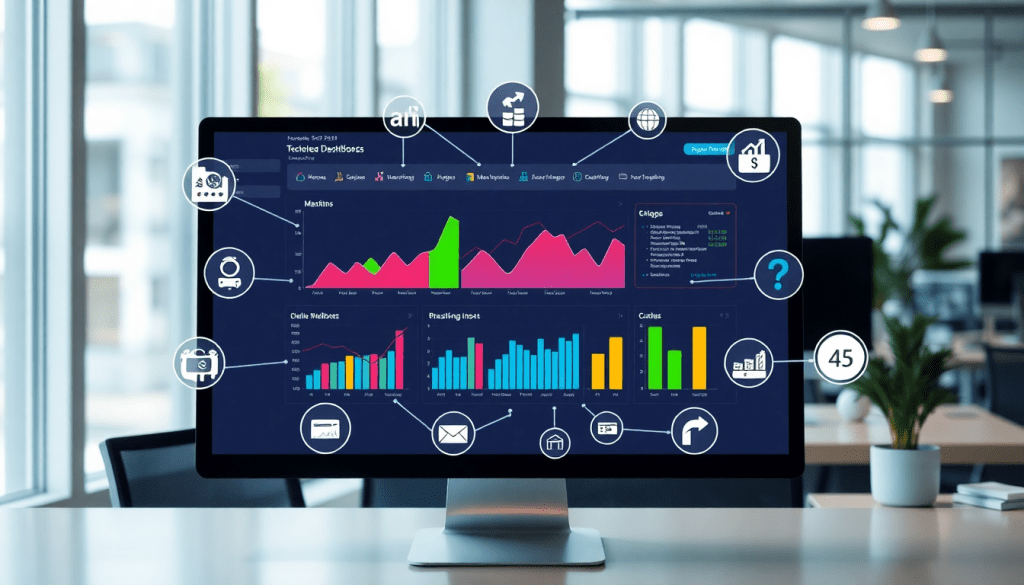
Performance Marketing Reporting Software: Automate Campaign Analytics
Performance marketing teams and agencies need more than just data—they need clarity, speed, and actionable insights. The right performance marketing reporting software automates campaign analytics, delivers real-time ROAS tracking, and unifies all your digital advertising results in a single, easy-to-use dashboard. This guide breaks down how to choose a platform that goes beyond spreadsheets to power smarter decisions, optimize ad spend, and deliver impressive client performance reports at scale.
What Is Performance Marketing Reporting Software?
Performance marketing reporting software makes life easier for marketers by transforming data chaos into actionable insights. Instead of hopping between dozens of ad platforms and spreadsheets, you get a single, unified dashboard for everything that matters.
What Does Performance Marketing Reporting Software Actually Do?
Here’s what these platforms bring to the table:
- Connects to Multiple Channels:
Seamlessly integrates with Google Ads, Facebook Ads, programmatic platforms, and more. - Data Consolidation:
Gathers all your campaign performance data into one place—no more manual copy-pasting. - Automated Analysis:
Continuously pulls and normalizes data, so you always have the latest metrics at your fingertips. - Visualization:
Turns raw numbers into customizable dashboards and reports that are easy to understand and share.
Why Is This Centralized Approach a Game Changer?
With all your marketing data in one place, you get:
- Real-time Visibility:
Instantly see spend, conversions, ROI, and KPIs without waiting for manual updates. - Time Savings:
Eliminate hours (or days) spent on manual reporting and reduce the risk of human error. - Data-Driven Decisions:
Break down silos and empower your team to optimize campaigns faster and smarter.
Manual Reporting vs. Automated Reporting: A Quick Comparison
| Manual Reporting | Automated Reporting (with TapClicks) |
|---|---|
| Copy-paste spreadsheets | Continuous, real-time data pulls |
| Error-prone | Consistent and accurate |
| Delayed insights | Instant, actionable dashboards |
| Time-consuming | Huge time savings for analysts |
Why Automation Matters for Modern Marketing Teams
As digital ad ecosystems grow more complex, automation is no longer a “nice to have”—it’s essential for:
- Scaling Operations:
Handle more clients, campaigns, and data sources without extra workload. - Ensuring Transparency:
Standardized reporting means everyone sees the same numbers, every time. - Staying Agile:
Rapidly adjust campaigns based on real performance data.
Looking to see how the right platform can elevate your analytics and reporting?
👉 Explore the Marketing Analytics Report: TapClicks Software for Powerful Insights
Key Features Every Performance Analytics Tool Should Have
When evaluating performance marketing reporting software, it's crucial to ensure the platform is equipped with features that streamline analytics, boost transparency, and empower smarter marketing decisions. Here are the must-have capabilities to look for:
Automated Data Pulls: Manual data collection is time-consuming and error-prone. The right tool should seamlessly connect to thousands of advertising and marketing platforms, automatically aggregating campaign data in real time. This eliminates tedious spreadsheet work and ensures your analytics are always up to date.
Cross-Channel Campaign Tracking: With campaigns running across Google, Meta, programmatic, and more, a performance analytics tool must unify data from all channels. This comprehensive view helps marketers accurately assess performance, spot trends, and identify optimization opportunities that would be missed in siloed reports.
Custom Dashboards: Effective platforms allow users to build tailored dashboards with drag-and-drop widgets, visualizations, and metrics that matter most to their clients or teams. These dashboards should support deep dives into specific campaigns, channels, or KPIs, making insights easily accessible and actionable.
ROAS Tracking Platform: Tracking return on ad spend (ROAS) is fundamental for performance marketers. Look for software that enables granular ROAS measurement across campaigns, channels, and even specific audiences or creatives. Real-time ROAS tracking helps quickly reallocate budgets to what’s working and justify investments to stakeholders.
Conversion Rate Analytics: Beyond clicks and impressions, conversion metrics reveal the true effectiveness of your marketing. The ideal tool will automatically calculate and surface conversion rates, cost per acquisition, and other lower-funnel KPIs, allowing marketers to optimize campaigns for actual business outcomes.
Scheduled Client Performance Reports: Automated, scheduled reporting saves hours every month. The best tools let you set up recurring client reports that are branded, visually compelling, and delivered straight to stakeholders’ inboxes—no manual intervention required.
White Labeling and Branded Reporting: Agencies and in-house teams often need to present a professional, unified brand image. Look for platforms offering white label capabilities, allowing you to fully customize reports and dashboards with your logo, colors, and messaging. This not only enhances credibility but also strengthens client relationships.
By centralizing these features, a robust performance analytics tool does more than just visualize data—it empowers marketing professionals to make faster, more confident decisions. With instant access to accurate, multi-channel insights and automated delivery of tailored reports, teams can shift their focus from data wrangling to strategic optimization. To see how unified analytics can transform your agency or brand, learn more at TapClicks.
How Automated Campaign Reporting Saves Time and Reduces Errors
Manual campaign reporting is one of the biggest bottlenecks for performance marketers and agencies. Teams often spend hours (or even days) logging into multiple ad platforms, exporting spreadsheets, reconciling mismatched date ranges, and copy-pasting data into PowerPoint or Google Slides to build client-ready reports. This tedious, error-prone process not only eats up valuable hours but also increases the risk of mistakes—misattributed conversions, broken formulas, and outdated numbers can slip through the cracks, undermining client trust and decision-making.
Automated campaign reporting software transforms this workflow entirely. Instead of repetitive manual exports, a modern platform automatically pulls performance data from every connected channel—Google Ads, Facebook, programmatic, SEO, and more—on a set schedule or in real time. Data is instantly normalized, mapped, and visualized in customizable dashboards. This automation ensures accurate, up-to-date reporting and eliminates the need for manual reconciliation or late-night data wrangling.
The benefits go beyond time savings. Automation unlocks advanced analytics, such as cross-channel attribution, budget pacing, and anomaly detection, that are nearly impossible to manage by hand. Team members can focus on strategic analysis and campaign optimization, rather than just “getting the numbers right.” In fact, many agencies and brands leveraging automated solutions like TapClicks report saving 50+ hours per analyst per month and significantly improving the accuracy and consistency of their client deliverables.
Consider the example of a multi-location agency that previously spent several days each month consolidating performance data for client reports. By implementing automated dashboard solutions, they cut report creation time by more than half and reduced data discrepancies to virtually zero—freeing up staff to provide more proactive campaign recommendations and strategic insights.
To learn more about how marketing teams are boosting efficiency and eliminating reporting headaches, check out "Marketing Dashboard Automation: Boost Agency Reporting Efficiency". Automation isn’t just a convenience—it’s a competitive advantage for performance marketing teams who want to deliver faster, more accurate, and more impactful analytics at scale.
Optimizing Ad Spend with a Unified Dashboard
A unified dashboard is more than just a reporting interface—it’s the operational nerve center for modern performance marketing teams. By consolidating ad spend and campaign performance metrics from every platform into a single, real-time view, marketers and agencies gain holistic visibility that’s impossible to achieve with siloed spreadsheets or fragmented tools. This unified perspective empowers teams to make smarter, data-driven decisions about where to allocate budgets for maximum impact.
One of the core advantages of a unified dashboard is budget pacing. Rather than manually tracking spend across multiple channels—risking both under- and overspending—a unified dashboard automatically monitors budget consumption against goals and timelines. Teams can set custom pacing alerts to flag when spend is off track, allowing for proactive adjustments before issues escalate. This mitigates waste and helps ensure that every dollar is strategically invested.
Anomaly detection is another key feature. Advanced dashboards use AI to identify unexpected changes in spend, clicks, conversions, or ROAS across campaigns. Sudden spikes in cost or dips in performance trigger real-time performance alerts, allowing marketers to investigate and resolve problems quickly. This immediate visibility minimizes the risk of budget drain from underperforming ads or technical errors, ultimately protecting both ROI and client trust.
By centralizing insights and surfacing actionable recommendations, a unified dashboard dramatically enhances paid media ROI. Marketers can quickly compare channel performance, reallocate budgets to top-performing campaigns, and demonstrate transparent results to clients—all in one place. The result: faster optimizations, more effective spend, and higher client satisfaction thanks to clear, timely insights.
For teams seeking to streamline and scale their paid media operations, platforms like TapClicks deliver the unified dashboards, automation, and advanced analytics needed to optimize every dollar of ad spend—backed by robust reporting and workflow tools designed for high-volume performance marketing environments.
Unlocking the Power of Advanced ROAS Tracking and Conversion Analytics
Return on ad spend (ROAS) is more than just a metric—it's your campaign’s financial pulse. The right reporting tools let you see, in real time, exactly where your marketing dollars are making an impact.
Why ROAS Tracking Matters
- Unified View: Advanced platforms pull in revenue and cost data from every campaign and channel, then normalize it for apples-to-apples comparison.
- Single Source of Truth: No more cross-checking spreadsheets—just a consolidated dashboard showing profitability, instantly.
- Real-Time Insights: Automated data integration eliminates the wait for manual updates, so you can act fast.
Conversion Rate Analytics: Going Beyond Clicks
ROAS tells you about the dollars, but conversion rate analytics reveal the why behind the numbers:
- Landing Page Performance: See which creative assets turn clicks into actual customers.
- Funnel Optimization: Identify drop-off points and fix bottlenecks.
- Creative Testing: Quickly spot which messaging, visuals, or offers are driving action.
What Sets TapClicks Apart?
With TapClicks, you get:
| TapClicks Advantage | What It Means for You |
|---|---|
| Centralized Paid Media Data | All your campaign metrics, side-by-side |
| AI-Driven Analytics | Automated trend detection and anomaly alerts |
| Customizable Dashboards | Visualize ROAS, CPA, conversion rates, and more |
| Automated, Branded Reports | Keep teams and clients up-to-date, effortlessly |
How to Use These Insights
Here’s how leading marketers use advanced ROAS and conversion analytics to drive smarter decisions:
- Spot Winning Campaigns: Double down on top-performing ads and channels.
- Course Correct Fast: Pause or tweak underperforming tactics before they drain budget.
- Optimize Continuously: Use AI insights to refine bidding, creative, and landing pages—every day, not just at month’s end.
- Demonstrate Value: Share clear, client-ready reports that prove ROI and strategic impact.
Make Your Reporting a Strategy Engine
With accurate, unified ROAS and conversion data, reporting isn’t just a look back—it’s a launchpad for growth.
Ready to upgrade your performance analytics? Learn more about actionable insights and automation at TapClicks.
Cross-Channel Campaign Tracking: Why Integration Matters
Managing performance marketing across today’s fragmented digital landscape is no small feat. Marketers routinely juggle Google Ads, Facebook, Instagram, LinkedIn, programmatic partners, email platforms, and more—each with its own reporting quirks, data formats, and attribution models. This patchwork of tools often leads to data silos, fragmented insights, and time-consuming manual processes as teams attempt to piece together the full story of campaign performance.
Integrated cross-channel campaign tracking is the solution to this complexity. By consolidating all your marketing data sources into a single platform, you eliminate silos and gain a holistic, real-time view of your entire digital advertising ecosystem. With every click, conversion, and dollar spent visible in one unified dashboard, you can easily compare channel performance, spot trends, and attribute results accurately—without the headaches of spreadsheets or juggling multiple logins.
The advantages go beyond convenience. When you can track search, social, display, and more side-by-side, it becomes dramatically easier to identify which channels are driving the best ROI, where budgets need to be reallocated, and how multi-touch journeys are influencing conversions. This integrated approach empowers teams to make smarter, faster decisions—fueling both campaign optimization and client satisfaction.
Platforms like TapClicks are built for seamless cross-channel data integration, offering thousands of marketing, advertising, and business connectors. This means you can pull in campaign data from virtually any source, normalize and enrich it, and visualize performance in real time. For a deeper dive into how automated integration boosts reporting efficiency and insight, see "Marketing Dashboard Automation: Boost Reporting with TapClicks".
In an era where marketing success depends on agility and unified analytics, cross-channel integration isn’t just a nice-to-have—it’s the foundation for accurate reporting, better optimization, and winning results.
Delivering Digital Advertising Insights and Client Performance Reports
Turning complex analytics into clear, client-ready performance reports is where the true value of performance marketing reporting software shines. The goal isn’t just data delivery—it’s about transforming numbers into narratives, offering transparency, and empowering clients with actionable recommendations that drive results.
Start with the Story, Not Just the Stats
Effective client reporting goes beyond raw metrics. Begin each report with an executive summary that highlights key wins, campaign outcomes, and areas of opportunity. For example, instead of simply listing click-through rates or conversions, contextualize the data: “Your Facebook campaign drove a 23% increase in qualified leads month-over-month, outpacing industry benchmarks.” This storytelling approach helps clients quickly grasp performance and value.
Customize Reports to Client Preferences
Not every client wants to dive into the same analytics. Some may prefer high-level summaries, while others want granular channel-by-channel breakdowns. Leverage your performance marketing reporting software’s customization features—such as drag-and-drop dashboards, white labeling, and branded layouts—to tailor each report to the client’s brand and priorities. Schedule automated delivery so clients receive reports when and how they want them, whether it’s a weekly email, a dynamic dashboard, or a downloadable PDF.
Emphasize Transparency and Actionability
Transparency builds trust. Use your reporting platform to show not just what happened, but why. Highlight anomalies, explain shifts in performance, and call out relevant context—such as budget changes or new creative launches. Most importantly, translate insights into clear, actionable recommendations. For instance: “Increasing spend on Google Ads yielded a higher ROAS this quarter; we recommend reallocating additional budget to further capitalize on this trend.”
TapClicks: Powering Insightful, Scalable Client Reports
Solutions like TapClicks streamline this process at scale. With automated data pulls, customizable dashboards, and AI-driven insights (like SmartEmail and TapInsights), TapClicks enables agencies and brands to deliver visually compelling, insight-rich reports to hundreds—or thousands—of clients effortlessly. To see how TapClicks can help you boost efficiency and client satisfaction, check out their guide on "Marketing Dashboard Automation: Boost Agency Reporting Efficiency".
Final Tip: Make every report a conversation starter. Invite feedback, answer questions proactively, and use your reports as a springboard for strategic planning. The more your clients understand and act on their data, the stronger (and longer-lasting) your partnership will be.
Choosing the Best Performance Marketing Reporting Software for Your Needs
Selecting the right performance marketing reporting software can make or break your ability to deliver timely, actionable insights and demonstrate value to clients or stakeholders. To ensure your team gets the most out of your investment, follow this structured framework when evaluating and comparing solutions:
1. Assess Your Data Integration Needs
Start by mapping out all the advertising and analytics platforms your organization uses—including paid search, paid social, programmatic, and CRM systems. The ideal software should offer robust connectors and seamless integrations, enabling you to unify campaign data from every source. Solutions like TapClicks, for example, provide over 10,000 marketing and business data connectors, ensuring you won’t outgrow the platform as your strategy expands.
2. Evaluate Scalability and Automation Capabilities
As your client base or campaign portfolio grows, can the platform keep up? Look for a solution that’s purpose-built for scale: one that automates data pulls, dashboard generation, and reporting across hundreds (or thousands) of campaigns and clients. Automation not only saves analysts hours each week—it also eliminates manual errors and keeps everyone working from the same, up-to-date dataset.
3. Prioritize Customization and Branding
Client expectations are higher than ever. Ensure the software offers flexible, customizable dashboards and white-labeled performance reports. This way, your reports reflect your agency’s brand or your clients’ unique requirements, and you can tailor metrics, visuals, and narratives to each audience.
4. Consider Advanced Analytics and AI-Driven Insights
Raw data is only useful if it leads to action. Seek platforms that go beyond basic reporting to offer AI-powered insights, predictive analytics, and automated recommendations—helping you spot opportunities, flag anomalies, and optimize campaigns proactively.
5. Scrutinize Support and Usability
A powerful platform should still be intuitive enough for your team to adopt quickly. Look for comprehensive onboarding resources, responsive customer support, and a proven track record of helping users maximize value. Peer reviews and case studies can reveal how well a vendor supports its customers.
6. Analyze Pricing and Total Cost of Ownership
Finally, compare pricing models carefully. Some platforms charge by data source, user, or dashboard, while others offer flat-rate pricing that scales with your needs. Consider both short-term costs and long-term ROI—factoring in time savings, error reduction, and the ability to win/retain clients with better insights.
Pro Tip: Choose a platform that lets you centralize and automate your reporting, but also allows you to export or integrate cleaned data into existing BI, finance, or CRM tools as needed. This flexibility ensures your tech stack can evolve with your business.
Ready to explore an all-in-one solution that unifies your marketing data, automates reporting, and delivers AI-driven insights at scale? Discover what TapClicks can do for your agency or brand.
Start Automating Your Marketing Data Today!
No Credit Card Required.

