

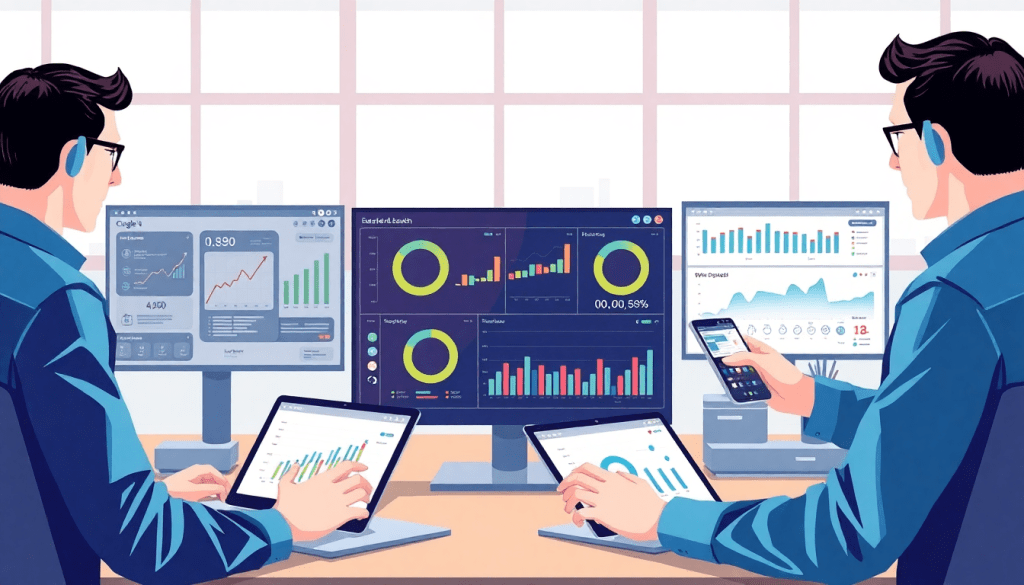
Performance Marketing Reporting Software: Automate Campaign Analytics
Performance marketing reporting software brings clarity and speed to digital advertising by automating analytics, reporting, and optimization across every channel. Instead of wrestling with spreadsheets and fragmented data, marketers can track ROAS, conversions, and cross-channel insights—all from one unified platform. This guide explores how the right tools streamline campaign tracking, drive smarter decisions, and ultimately boost your marketing ROI.
What is Performance Marketing Reporting Software?
Performance marketing reporting software is a specialized tool designed to automate the collection, analysis, and visualization of data from digital advertising campaigns. Its core purpose is to provide marketers, agencies, and brands with a clear, real-time view of campaign performance—tracking key metrics like return on ad spend (ROAS), conversions, clicks, and impressions across multiple platforms.
At its heart, this software seamlessly integrates with a wide array of digital advertising channels and data sources. Whether you’re running campaigns on Google Ads, Facebook, LinkedIn, TikTok, programmatic display, or even offline channels, performance marketing reporting software connects to each, pulling in campaign data automatically. These integrations eliminate manual data entry, reduce errors, and ensure that all your insights are up to date and accessible in one unified dashboard.
A key difference between manual and automated campaign reporting lies in both efficiency and accuracy. Manual reporting often involves downloading CSV files, stitching together spreadsheets, and spending countless hours reconciling campaign data—leaving ample room for mistakes and delays. In contrast, automated reporting software continuously aggregates and normalizes campaign data, enabling marketers to generate detailed, branded reports at the click of a button. This not only saves significant time but also empowers teams to focus on optimization rather than administrative tasks.
For a deeper breakdown of how performance marketing reporting software unlocks actionable insights and drives better marketing decisions, check out Powerful Insights with TapClicks.
In summary, performance marketing reporting software is essential for any digital marketer seeking to unify their analytics, streamline reporting workflows, and gain a competitive edge through faster, data-driven decisions. To learn more about how TapClicks leads the way in this space, visit TapClicks.
Key Features of Automated Campaign Reporting Tools
Automated campaign reporting tools are designed to simplify and supercharge the way marketers track, analyze, and communicate digital advertising performance. The most effective platforms combine several essential features that empower teams to move faster, optimize smarter, and deliver clearer results to stakeholders.
Multi-Channel Data Integration
A leading performance analytics tool must seamlessly connect to a wide range of marketing, advertising, and business data sources—think Google Ads, Facebook, LinkedIn, programmatic platforms, and even offline channels. By pulling all this data into one hub, marketers eliminate data silos and avoid hours of manual spreadsheet wrangling. This unified data foundation is the first step toward holistic campaign analysis.
Real-Time Dashboards
With real-time, drag-and-drop dashboards, marketers gain instant visibility into key metrics like impressions, clicks, spend, conversions, and return on ad spend (ROAS). Customizable dashboards allow users to build views that match their unique reporting needs—whether it’s a high-level executive overview or a granular channel-by-channel breakdown. Instant access to up-to-date performance data means teams can spot trends, react quickly, and make data-driven decisions without delay.
Scheduled and Automated Reporting
Manually updating and distributing reports is a notorious time drain for agencies and in-house marketing teams alike. Automated campaign reporting tools offer scheduled reporting capabilities, automatically generating and sending branded performance reports to clients or internal stakeholders at set intervals. This not only saves time, but also ensures accuracy and consistency in every delivery.
ROAS Tracking Platforms and Conversion Rate Analytics
Modern reporting tools go beyond simple metric aggregation. Built-in ROAS tracking and conversion analytics help marketers easily measure the effectiveness of every dollar spent. These features often support customizable attribution models, enabling teams to see which channels and campaigns drive the strongest results and optimize accordingly.
Paid Media Dashboards for Holistic Performance Monitoring
Integrated paid media dashboards bring together data from search, social, display, and other paid channels, presenting a complete view of campaign health. Marketers can compare channel performance side-by-side, monitor pacing against budget goals, and identify optimization opportunities at a glance.
Collaboration and Workflow Integration
For agencies and larger marketing teams, collaboration features—like role-based access, comment threads, and integrated workflow management—are vital. These ensure everyone from sales to fulfillment is aligned and working from the same source of truth.
When these features work together, marketing teams and agencies can automate tedious reporting tasks, surface actionable insights, and deliver clear, impactful results to clients and stakeholders. For a deeper dive into how automation transforms marketing dashboards and reporting, check out "Marketing Dashboard Automation".
To see how a unified solution like TapClicks brings all these capabilities together for scalable, streamlined reporting, visit TapClicks.
Cross-Channel Campaign Tracking and Insights
In today’s fragmented digital landscape, cross-channel campaign tracking is not just a luxury—it’s a necessity for effective performance marketing. With consumers engaging across search, social, display, video, and email, marketers need a unified view of all their campaign data to uncover what’s driving results and where opportunities for optimization exist.
The true power of cross-channel tracking lies in its ability to aggregate and normalize data from every platform into a single dashboard. Instead of toggling between disconnected reports from Google Ads, Facebook, LinkedIn, and programmatic platforms, marketers can now see holistic digital advertising insights at a glance. This unified perspective makes it easy to compare performance across channels, evaluate multi-platform ad campaigns, and attribute conversions accurately—enabling smarter decision-making and real-time budget shifts.
Practical use cases abound. For agencies, consolidated dashboards streamline client reporting, allowing them to deliver transparent, up-to-date performance snapshots across all client channels. In-house marketing teams running multi-location or multi-brand campaigns can quickly assess which regions or brands are outperforming, then adjust creative or spend accordingly. Even executive stakeholders benefit from at-a-glance overviews that distill complex cross-channel data into actionable insights.
TapClicks stands out in this arena with its robust cross-channel data integration capabilities. By connecting to over 10,000 marketing, advertising, and business data sources, TapClicks makes it simple to blend datasets, track key KPIs across all channels, and surface insights that drive optimization. The platform’s drag-and-drop dashboards, automated reporting, and AI-powered recommendations empower marketers to move beyond siloed metrics—delivering true cross-channel campaign intelligence that fuels ROI growth.
To explore more about how TapClicks enables seamless marketing analytics and cross-channel performance tracking, visit TapClicks.
Optimizing Ad Spend and ROAS with Automated Dashboards
Maximizing every advertising dollar is at the heart of performance marketing—and automated dashboards are the engine that makes this possible. By centralizing data from all your paid media campaigns, these dashboards give marketers the real-time visibility needed to proactively optimize ad spend and improve Return on Ad Spend (ROAS).
Real-time budget control is one of the most powerful benefits. With automated dashboards, marketers can monitor spend pacing, compare performance across channels, and instantly spot underperforming campaigns. Instead of waiting for weekly manual reports, teams can reallocate budget to high-performing ads on the fly, ensuring resources are always driving the greatest impact. For instance, if paid social ads start outperforming search campaigns mid-month, a unified dashboard lets you shift spend immediately—no spreadsheets required.
ROAS tracking platforms further streamline campaign evaluation. By automatically calculating ROAS across channels, campaigns, and even creative variations, marketers gain a clear view of what’s working and what needs adjustment. This level of ongoing monitoring is essential for agencies managing multiple client accounts or brands running campaigns at scale. Automated dashboards surface patterns that would otherwise be buried in disparate data sources—so you can double down on what’s profitable and cut spend where it isn’t.
The impact on ROI is tangible. Consider a retail brand using automated dashboards to manage digital campaigns across search, social, and display. By leveraging real-time alerts, the marketing team notices a sudden drop in conversion rates on a key channel. They quickly pause spend, investigate, and reallocate budget to higher-performing ads—saving thousands in wasted ad spend and boosting overall campaign ROI.
Want to see how real-time data powers smarter marketing decisions? Dive into "Real-Time Marketing with Automated Data Collection" for practical examples of brands using automation to stay ahead of the curve.
Platforms like TapClicks are purpose-built for this level of optimization. By unifying multi-channel data, providing AI-powered budget pacing recommendations, and automating performance alerts, TapClicks ensures that your marketing investments are always informed by up-to-the-minute insights—turning data into actionable strategy and higher returns.
Conversion Rate Analytics and Advanced Reporting
Performance marketing automation platforms have revolutionized how teams analyze and optimize conversion rates—no more wrestling with siloed spreadsheets or manually piecing together campaign data. Instead, automated tools aggregate and normalize multi-channel data, allowing marketers to track conversion events at scale and with unprecedented accuracy.
Granular, Customizable Reporting for Every Stakeholder
One of the standout benefits of automated performance marketing reporting is the ability to deliver tailored insights to every stakeholder, from executive leadership to channel managers and agency clients. A robust reporting platform lets you customize dashboards to highlight the metrics that matter most—whether that’s eCommerce conversions, lead generation form fills, or app installs. With role-based access and scheduling features, you can ensure that the right people see the right data, in the right format, and at the right cadence.
For example, executive teams may prefer high-level summaries showing overall conversion rates and ROI by channel, while campaign managers need detailed, day-to-day breakdowns by ad group or creative. With a flexible reporting solution, both groups get exactly what they need—without additional manual work.
Surfacing Actionable Insights from Complex Datasets
Automated performance marketing tools don’t just present raw numbers; they leverage AI and data enrichment to highlight trends, anomalies, and optimization opportunities. By layering predictive analytics and smart visualizations, these platforms help marketers quickly pinpoint which campaigns, audiences, and creatives are driving the highest conversion rates—and where budget reallocations could lead to better results.
To get the most out of your conversion rate analytics, consider these tips:
- Use filters and segmentation to break down performance by audience, device, or geographic region.
- Schedule recurring reports that benchmark conversion rates over time, surfacing trends before they become issues.
- Take advantage of AI-driven insights (like those available in TapClicks’ SmartPilot) to automatically flag under-performing segments or emerging opportunities.
By combining advanced automation with customizable, insight-rich reporting, marketers can move beyond simple tracking and truly optimize for conversions—turning data complexity into a competitive advantage.
Paid Media Dashboards and Client Performance Reports
A paid media dashboard is the marketing team's command center—offering a streamlined, real-time view of all campaign activities across platforms like Google Ads, Facebook, LinkedIn, and more. By automatically aggregating and visualizing campaign metrics, these dashboards eliminate the chaos of scattered spreadsheets and manual data pulls. Marketers can instantly spot trends, monitor spend, compare channel performance, and zero in on KPIs that matter most, all from a single, intuitive interface.
When it comes to client performance reports, automation and clarity are key. Best-in-class reporting tools allow agencies and in-house teams to deliver polished, branded reports that highlight campaign wins, explain optimizations, and foster trust. The most effective client reports don't just dump data—they tell a story: showcasing ROAS improvements, spotlighting top-performing creatives, and translating complex analytics into actionable insights. With the right performance marketing reporting software, you can schedule these reports to go out automatically, ensuring stakeholders stay informed without adding hours to your team’s workload.
TapClicks excels at elevating both dashboards and client reporting. Its robust reporting studio enables users to build fully customized, white-labeled dashboards and generate scheduled reports tailored to each client’s needs. Agencies can deliver executive summaries, deep-dive analytics, and even role-based access, so every stakeholder—from CMOs to account managers—gets exactly the information they need. With TapClicks' advanced scheduling capabilities, reports reach clients on time, every time, freeing your team to focus on strategy instead of repetitive tasks.
By embracing automated, branded reporting and comprehensive paid media dashboards, agencies and marketers build stronger relationships with clients, demonstrate ongoing value, and stay ahead in a competitive digital advertising landscape.
How to Find the Best Performance Marketing Analytics Tool for Your Team
Choosing the right analytics platform can make or break your ability to deliver actionable insights, wow clients, and scale your marketing operations. With so many options out there, what really matters? Here’s a practical approach to finding the perfect fit for your agency, brand, or enterprise team.
What Should You Look For?
1. Will It Grow With You?
- Scalability:
- Can it support hundreds—or even thousands—of dashboards, scheduled reports, and users?
- Is it built for multi-client, multi-location, or enterprise needs?
- Will speed and reliability hold up as your business expands?
2. Does It Connect Everywhere You Need?
- Data Integrations:
- How many marketing, advertising, and business platforms can you connect to?
- Platforms like TapClicks offer 10,000+ integrations, consolidating your paid, social, programmatic, and offline data in one place.
3. Does It Offer More Than Just Data?
- AI and Insights:
- Does it go beyond dashboards to deliver real, actionable recommendations?
- Look for tools with AI agents, automated insight summaries, and predictive analytics.
4. Can Your Team Actually Use It?
- Ease of Use & Customization:
- Is the dashboard builder intuitive?
- Can you drag-and-drop, customize templates, and easily brand reports?
- Are visualizations flexible enough for different client or team needs?
5. Will It Save You Time?
- Workflow & Automation:
- Does it automate repetitive tasks like report scheduling, data enrichment, and order management?
- Are there built-in workflow modules for marketing, sales, and fulfillment collaboration?
Features That Really Matter
Here’s a quick checklist to help you compare platforms:
| Must-Have Feature | Why It Matters |
|---|---|
| Multi-channel data aggregation | See all your marketing data in one place |
| Real-time & scheduled reporting | Deliver updates fast—internally or to clients |
| Role-based access controls | Keep dashboards secure and tailored to each user |
| Cross-channel performance analytics | Analyze ROAS, conversions, and more, all together |
| Branded, client-facing reporting studio | Present data the way your clients expect |
| AI-powered insights & recommendations | Move from data to action, automatically |
| Integration with BI, CRM, and finance | Eliminate data silos across your stack |
Ask These Questions Before You Buy
Don’t get caught off guard. Be sure to ask vendors:
- What types and how many data integrations are available out-of-the-box?
- Can the platform automate both data collection and large-scale report generation?
- What specific AI features are included for insights and optimization?
- How customizable are dashboards, reports, and visualizations for different teams or clients?
- Does the system support workflow automation, like order management or task routing?
- What onboarding, support, and training resources are included?
Bottom Line
When you put these criteria at the center of your search, you’ll find a performance marketing analytics tool that delivers more than just data—it delivers intelligence, efficiency, and scale. And with platforms like TapClicks, you can unify operations and insights to unlock your team’s full potential.
Future Trends in Performance Marketing Automation
As the digital marketing landscape grows more complex, performance marketing reporting software is rapidly evolving to meet new demands. The next generation of these platforms is driven by three major trends: AI-powered insights, predictive analytics, and end-to-end workflow automation.
AI-Powered Insights: Artificial intelligence is transforming how marketers interpret data. Instead of manually sifting through dashboards, AI agents now surface actionable insights automatically, highlighting anomalies, campaign opportunities, and optimization recommendations. Tools like TapClicks are at the forefront, offering AI-driven features that not only analyze campaign data but also generate insight summaries and send them directly to stakeholders via SmartEmail. This shift empowers marketers to make faster, smarter decisions—often before a human analyst could even spot the trend.
Predictive Analytics: Beyond reporting what happened, modern platforms predict what will happen next. Predictive models ingest cross-channel data—search, social, display, OTT, and more—to forecast campaign performance, budget pacing, and ROI. This allows brands and agencies to proactively allocate spend, adjust strategies, and set more accurate expectations with clients. The Fieldstream acquisition by TapClicks further enhances this capability, bringing advanced media mix modeling and strategic budget planning into the fold.
Workflow Automation: No longer limited to data aggregation and visualization, performance marketing platforms now streamline the entire operational workflow. Automated order management, task assignments, approval chains, and client communications reduce friction between sales, ops, and fulfillment teams. These workflow automations not only save time, but also ensure accuracy and transparency as campaigns scale across dozens or even hundreds of channels and clients.
Platforms like TapClicks are evolving to unify these trends, helping marketers move from reactive reporting to proactive intelligence. Forward-thinking teams should look beyond simple automation for efficiency, and instead seek tools that deliver deeper marketing intelligence, predictive power, and seamless collaboration. As these trends converge, performance marketers will be better equipped than ever to drive measurable results—and stay ahead of the competition.
Start Automating Your Marketing Data Today!
No Credit Card Required.

