

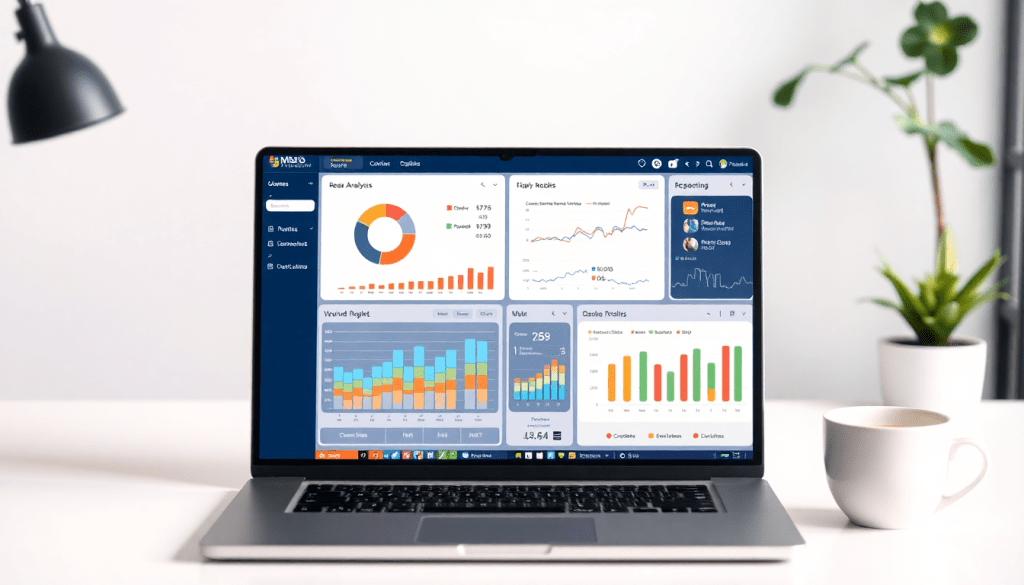
Performance Marketing Reporting Software: Automate Analytics Fast
Modern marketers and agencies juggle campaign data from a growing number of ad platforms—Google, Meta, programmatic, affiliate, and more. Performance marketing reporting software streamlines this chaos, offering one centralized solution to automate campaign reporting, track ROAS, analyze conversions, and surface actionable insights across every channel. This guide breaks down how performance analytics tools transform digital advertising operations, cut manual work, and deliver the data that drives smarter decisions. You’ll discover the must-have features, best use cases, and how to choose a platform that scales with your business.
What Is Performance Marketing Reporting Software?
Performance marketing reporting software is a specialized platform designed to centralize, automate, and simplify the process of tracking, analyzing, and reporting on digital advertising campaigns across multiple channels. At its core, this software helps marketers and agencies move beyond time-consuming manual data pulls and spreadsheet wrangling, offering a unified solution that aggregates campaign data from a wide array of sources—think Google Ads, Meta, programmatic networks, affiliate platforms, and more.
The primary functions of performance marketing reporting software include data aggregation, where disparate datasets from different marketing channels are pulled together into one place; automated reporting, which schedules and delivers regular updates to internal teams or clients without manual intervention; analytics, providing tools to dissect campaign performance, track metrics like ROAS, conversions, and spend; and dashboarding, which visualizes key data points in customizable, easy-to-understand formats. These capabilities allow teams to spend less time chasing numbers and more time interpreting results and optimizing strategy.
What sets robust performance marketing reporting platforms apart from basic reporting tools is the depth of automation and intelligence they provide. While simple tools might offer predefined reports or surface-level dashboards, end-to-end performance marketing platforms—like TapClicks—deliver advanced features such as cross-channel data normalization, AI-driven insights, smart recommendations, and workflow automation. This enables not just reporting, but also active campaign optimization and operational efficiency at scale.
To dive deeper into how these platforms transform marketing analytics, check out this primer on "marketing analytics reports", which explores how modern software delivers powerful insights that drive better decisions.
Essential Features for Automated Campaign Reporting
To truly harness the power of data-driven marketing, performance marketing reporting software must offer far more than simple spreadsheets or static dashboards. Today’s leading platforms deliver an integrated suite of features that not only automate reporting, but also elevate the quality and speed of marketing analytics. Here are the essential features every agency and brand should seek in an automated campaign reporting tool:
1. Scheduled, Automated Reporting
Gone are the days of manually pulling campaign stats every week or month. The best reporting platforms let you schedule automated reports that are delivered to stakeholders on a set cadence—daily, weekly, or custom intervals. This ensures clients and internal teams always have the latest insights without the risk of human error or delay.
2. Real-Time, Interactive Dashboards
Static reports can’t keep pace with fast-moving campaigns. Real-time dashboards provide instant visibility into performance across every channel, allowing marketers to spot trends, identify anomalies, and act on insights as they happen. The ability to customize these dashboards—by channel, client, or KPI—gives every user relevant, up-to-date views at a glance.
3. Customizable, Branded Client Reports
For agencies and multi-client teams, delivering consistent, professional reporting is crucial. Leading reporting software enables easy white-labeling, so reports reflect your agency’s or client’s branding. Customization options allow you to tailor the level of detail, KPIs, and visualizations for different clients or stakeholders, ensuring everyone gets the insights that matter most.
4. Cross-Channel Data Integration
Performance marketing spans dozens of platforms—Google Ads, Facebook, programmatic DSPs, affiliate networks, and more. A robust reporting tool should unify all this data, integrating seamlessly with hundreds (or thousands) of connectors. This cross-channel approach eliminates silos, so you can analyze holistic campaign performance, optimize spend, and prove ROI with confidence.
5. Workflow Automation and Collaboration
Automated campaign reporting tools often include workflow features that streamline review, approval, and collaboration processes. This not only speeds up report delivery, but also helps teams coordinate on optimizations, feedback, and client communications.
A performance analytics solution with these features doesn’t just save time—it transforms how agencies and brands operate. By reducing manual work and surfacing actionable insights faster, marketers can focus more energy on strategy, creativity, and growth.
For more tips on boosting workflow efficiency and maximizing the impact of automated dashboards, check out this guide on "marketing dashboard automation". If you’re ready to see these features in action, platforms like TapClicks provide a unified, scalable solution for agencies and brands of any size.
ROAS Tracking and Ad Spend Optimization: Making Every Dollar Count
Return on ad spend (ROAS) isn’t just another metric—it’s the performance marketer’s compass. With the right tools, tracking and optimizing ROAS becomes automatic, actionable, and always visible.
Why ROAS Matters
- Directly ties ad spend to revenue: See exactly what you get for every dollar invested.
- Enables smarter decisions: Focus efforts on channels and campaigns that deliver real returns.
- Builds trust with clients and stakeholders: Easily demonstrate the value of your marketing strategy.
How Modern Platforms Simplify ROAS Tracking
Forget the manual spreadsheets. Leading platforms—like TapClicks—automate ROAS tracking by:
- Aggregating spend and revenue data from all digital channels (search, social, display, and more)
- Visualizing ROAS in real time with clear dashboards and reports
- Eliminating guesswork and manual number crunching for faster, more accurate insights
Turning Data Into Action: Ad Spend Optimization
Today’s best-in-class dashboards don’t just display numbers—they drive smarter optimization. Here’s what they do:
- Monitor budget pacing: Get alerts if a campaign is overspending or needs a boost
- Benchmark performance: Compare results to past campaigns or industry standards
- Highlight opportunities: See which channels are exceeding or missing expectations
Example:
If your Facebook campaign is burning through its budget faster than planned, or Google Ads is outperforming, TapClicks flags these trends and suggests where to reallocate spend for maximum impact.
The Power of AI in Ad Spend Optimization
Advanced platforms, especially those with built-in AI (like TapClicks), take optimization further:
- Predict optimal budget splits across channels based on real-time and historic data
- Recommend reallocations to maximize profitability
- Surface insights instantly, so you can pivot strategies before budget is wasted
What This Means for Your Team
By automating ROAS tracking and ad spend optimization, your team can:
- Instantly spot and address underperforming channels
- Double down on what’s driving revenue
- Confidently report channel value to clients and stakeholders
- Move faster, make data-driven decisions, and protect marketing investment
Bottom line:
With TapClicks, automated ROAS tracking and optimization aren’t just features—they’re your competitive edge for scaling results and proving marketing’s impact.
Unlocking the Power of Conversion Rate Analytics in Digital Advertising
Conversion rate analytics aren’t just numbers on a dashboard—they’re the pulse of every performance marketing strategy. When you understand what’s truly driving customers to act, you can double down on what works and swiftly pivot from what doesn’t.
What Is Conversion Rate Analytics?
At its simplest, conversion rate measures how well your ads and landing pages turn visitors into customers or leads. But there’s more to it:
- Tracks effectiveness: Tells you which campaigns, ads, and channels actually deliver results.
- Diagnoses friction: Pinpoints where prospects are dropping off.
- Guides investment: Helps you put budget and effort behind what actually converts.
How Modern Platforms Streamline Conversion Analytics
Gone are the days of juggling spreadsheets or toggling between platforms. Today’s top reporting solutions—like TapClicks—bring it all together:
- Unified dashboards: See conversion rates for Google Ads, Meta, programmatic, and more—all in one place.
- Automated data collection: No more manual exports or copy-pasting.
- Real-time insights: Spot trends and anomalies as they happen, not weeks later.
- AI-powered analysis: Let smart algorithms surface what matters, from top-performing creatives to lagging keywords.
Sample Dashboard Highlights
| Channel | Conversion Rate | Key Insight |
|---|---|---|
| Facebook Ads | 7.2% | Strongest with 25-34 age group |
| Google Search | 4.1% | Drop in mobile conversions post-bid adjustment |
| Programmatic | 6.8% | Urban markets outperforming suburban segments |
Turning Data Into Action: Where Insights Drive Results
The real magic is in what you do with these analytics. With automated alerts and AI-driven recommendations, you can:
- Double down on what works
- Instantly see your highest-converting channels and shift budget accordingly.
- Fine-tune creative and messaging
- Identify which versions resonate by segment, then optimize your assets.
- Segment and target smarter
- Discover high-value demographics, geographies, or audience segments.
- Optimize the funnel
- Diagnose where users drop off and guide next steps—whether it’s tweaking landing pages or launching retargeting.
Make Your Data Work for You
Automated conversion analytics transform raw numbers into clear, strategic action items. Instead of getting lost in the weeds, you get:
- Actionable insights delivered to your dashboard or inbox.
- More time to focus on growth, not measurement.
- Faster, smarter campaign adjustments.
Pro Tip: Platforms like TapClicks combine integrated analytics, powerful visualizations, and AI-driven insights—so you can optimize every campaign touchpoint and maximize ROI, all from a single workspace.
Cross-Channel Campaign Tracking Made Simple
Keeping up with today’s fragmented digital landscape can feel like a losing battle. With campaigns running on Google, Meta, programmatic networks, and more, marketers are often left:
- Juggling multiple dashboards
- Exporting endless CSVs
- Manually merging spreadsheets
- Wasting hours on reporting instead of optimizing
Sound familiar? The real challenge isn’t just the number of platforms—it’s connecting the dots between them.
Why Cross-Channel Tracking Matters
When you unify analytics from every channel, you unlock a new level of marketing intelligence. Here’s what it brings to the table:
- Holistic performance views: Instantly compare results across Google, Meta, programmatic, affiliate, and more
- Customer journey visibility: Understand where conversions actually happen—not just the last click
- Smarter budget allocation: Spot top-performers and shift spend in real time
- Fewer manual errors: Automated data pulls eliminate risky spreadsheet work
How TapClicks Makes It Effortless
TapClicks was built to solve exactly this problem. Here’s how it streamlines your cross-channel campaign tracking:
| TapClicks Strength | What It Means for You |
|---|---|
| 10,000+ Data Integrations | Instantly connect to virtually any ad platform |
| Automatic Data Normalization | All your metrics—aligned and comparable |
| Unified Dashboards | See ROAS, conversions, and pacing in one place |
| Real-Time Visualization | Spot trends and issues as soon as they happen |
| Automated Reporting | Wow clients (and your team) with no manual effort |
What Does This Look Like in Practice?
Imagine this workflow:
- Plug in your campaigns (Google, Meta, programmatic, affiliate, etc.)
- TapClicks automatically fetches and harmonizes the data
- Your dashboard updates in real time—no CSVs or copy-paste needed
- Share insights instantly with stakeholders or clients—no delay, no hassle
- Act quickly: Reallocate budget or tweak creatives while your competitors are still crunching spreadsheets
Pro Tip: Power Up with Real-Time Automation
When you pair TapClicks with real-time marketing automation:
- Campaign data flows in as soon as platforms update
- Automated alerts flag anomalies or opportunities
- Your team spends more time optimizing—and less time reporting
With unified cross-channel tracking, you’re not just saving time. You’re setting your team up for smarter decisions, faster pivots, and better business outcomes—no matter how complex your marketing mix gets.
Building and Delivering Client Performance Reports
Creating impactful client performance reports is both an art and a science—one that directly influences client satisfaction, perceived value, and long-term retention. As digital marketing grows more complex, agencies and brands must adopt best practices for reporting that go beyond basic metrics, ensuring every stakeholder receives the insights that matter most to their business goals.
Branding and Customization:
A well-crafted report should feel like an extension of your client’s brand. This means incorporating their logo, color palette, and preferred terminology throughout the document. Modern performance marketing reporting solutions let you easily white-label dashboards and reports, so every client presentation looks polished and professional—whether delivered as a PDF, a live dashboard, or an interactive portal.
Granularity and Transparency:
Effective reports strike the right balance between high-level overviews and granular campaign data. Some stakeholders may want a concise executive summary with KPIs, while others require deeper visibility into metrics like click-through rates, device performance, or creative effectiveness. Providing drill-down capability—where clients can move from top-line results to channel or ad set details—demonstrates transparency and builds trust.
Scheduling and Automation:
Manually compiling reports is a drain on resources and risks introducing errors or delays. Automated reporting platforms like TapClicks simplify this process by letting you schedule recurring reports to be sent at the cadence your clients prefer—whether that’s weekly, monthly, or in real time. This consistency not only ensures clients stay informed but also positions your team as proactive and reliable.
Improving Client Trust and Retention:
Automated, transparent reporting demonstrates accountability. When clients see accurate, up-to-date data delivered on schedule, it reassures them that their campaigns are being monitored closely. This level of communication reduces friction, strengthens agency-client relationships, and increases retention—especially when combined with insights and recommendations that add strategic value.
Tailoring Reports for Different Stakeholders:
Not every client or stakeholder needs the same data. Customize reports to highlight what’s most relevant for each audience—executives may care about ROI and budget pacing, while marketing managers want channel-level breakdowns and creative analysis. Use role-based access or customizable dashboards to deliver the right information to the right people, minimizing confusion and maximizing impact.
For more on automating and optimizing your reporting workflow, see this resource on marketing dashboard automation.
By embracing automation, branding, and tailored insights, your performance reports become more than just data—they become a key driver of client success and loyalty.
Choosing the Right Performance Marketing Reporting Solution
Selecting the ideal performance marketing reporting software is pivotal for agencies and brands aiming to scale efficiently while delivering clear, actionable insights. To ensure you invest in a platform that truly fits your organization’s needs—both today and as you grow—evaluate solutions based on the following key criteria:
1. Integrations and Data Connectivity
A top-tier reporting tool should offer broad and deep integrations with your existing marketing stack. Look for platforms supporting thousands of connectors across ad networks, analytics tools, CRMs, and e-commerce platforms. This eliminates manual data wrangling and ensures your dashboards always reflect the full scope of your campaigns.
2. Scalability and Flexibility
Your reporting solution should handle growth without missing a beat. Whether you’re managing dozens or thousands of campaigns and clients, ensure the software can accommodate increasing data volume, user seats, and custom reporting needs—without slowing down or requiring constant IT involvement.
3. Ease of Use and Automation
A modern platform should empower marketers—not burden them with technical complexity. Prioritize intuitive interfaces, drag-and-drop dashboard builders, and automated report scheduling. The goal: reduce manual work and free your team to focus on optimization and strategy.
4. AI Capabilities and Advanced Insights
Best-in-class platforms go beyond static dashboards. Seek out solutions with built-in AI agents that can analyze data, surface insights, flag anomalies, and even recommend optimizations. These smart features help you act faster and prove ROI with confidence.
5. Customer Support and Ongoing Innovation
Responsive support, onboarding, and a clear product roadmap are crucial, especially as your team’s needs evolve. Choose a vendor with a reputation for excellent service and continual platform enhancements.
Comparing Platforms: TapClicks vs. Point Solutions
While some tools focus solely on data piping or lightweight dashboards, end-to-end platforms like TapClicks stand out by unifying data integration, analytics, reporting, and workflow automation. TapClicks is engineered for scale—serving agencies and brands managing hundreds or thousands of campaigns—and leverages AI to automate insight delivery and optimization recommendations. In contrast, point solutions often require stitching together multiple tools, leading to data silos and increased manual effort.
Ready to Transform Your Reporting?
The right performance marketing reporting solution will save your team time, boost client satisfaction, and unlock new opportunities for optimization. If you’re ready to streamline your data, automate insight delivery, and scale your operations, request a demo or learn more about TapClicks’ reporting tools today.
Conclusion
Automated campaign reporting isn’t just a time-saver—it’s a game-changer for performance marketers and agencies striving to scale smarter. By replacing manual spreadsheets with unified dashboards, real-time analytics, and AI-powered insights, teams can finally focus on what truly matters: optimizing strategy, refining creative, and driving measurable results across every channel. As customer expectations and ad platforms evolve, a modern reporting solution ensures you always have the data to prove ROI and the agility to pivot fast.
Now is the perfect moment to audit your current reporting process. Are you still compiling data by hand or struggling with disconnected tools? If so, it’s time to explore a purpose-built platform that matches your growth ambitions. Discover how TapClicks’ performance analytics tools can transform your reporting workflow—book a personalized demo or dive deeper into resources on campaign automation and marketing analytics. Empower your team to spend less time wrangling numbers and more time delivering the insights that move your business forward.
Start Automating Your Marketing Data Today!
No Credit Card Required.

