

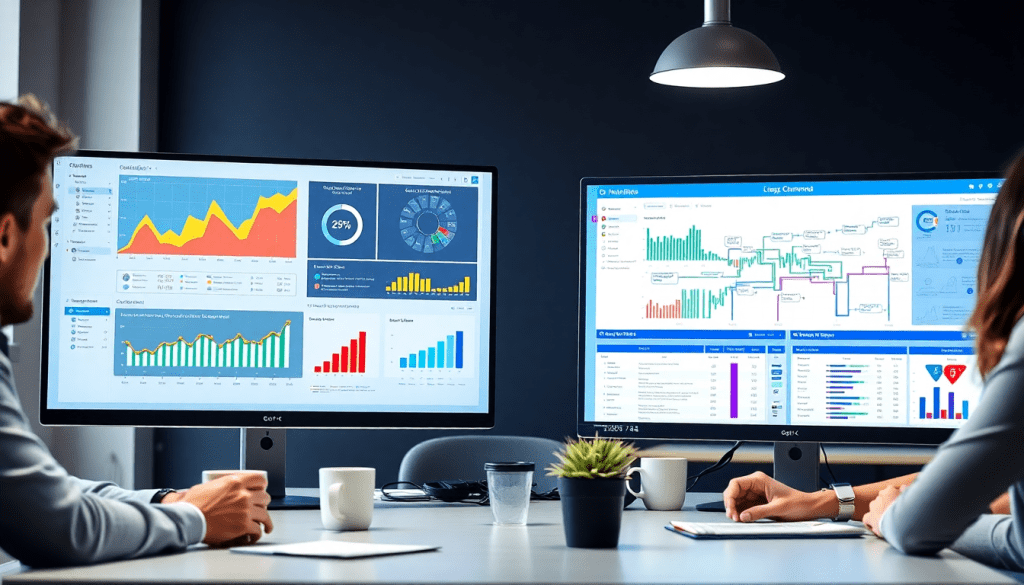
Marketing Dashboard Automation: TapClicks vs Funnel.io Guide
Choosing the right marketing dashboard automation platform can transform how agencies and brands handle analytics, reporting, and client communications. This guide breaks down the strengths and differences between TapClicks and Funnel.io—two of the industry’s top contenders for automated performance reports, cross-channel analytics, and digital marketing data visualization. Whether you’re looking to boost agency reporting automation, compare features, or optimize client dashboard insights, you’ll find a clear, practical comparison here.
Why Marketing Dashboard Automation Matters
Today’s marketers face a flood of data from every direction—social, search, programmatic, email, web analytics, and beyond. Trying to manually collect and report on this data isn’t just overwhelming; it’s a recipe for delays, mistakes, and missed opportunities. That’s where automated marketing dashboards make all the difference.
What Makes Dashboard Automation a Game-Changer?
Let’s break it down:
1. All Your Data, Instantly Connected
- Unified View: Pull campaign and channel data into a single dashboard—no more juggling spreadsheets or toggling between tools.
- Real-Time Updates: See the latest KPIs (impressions, conversions, ROI, and more) as they happen.
- Time Savings: Agencies report saving 50+ analyst hours a month—freeing up your experts to focus on strategy, not copy-paste.
2. Smarter, More Transparent Client Updates
- On-Demand Access: Clients and stakeholders can log in anytime to view results—no more waiting for a monthly report drop.
- Branded Reports: Automated, scheduled reports keep everyone in the loop and reinforce your agency’s brand.
- AI-Powered Insights: Let machine learning surface trends, anomalies, and recommendations—so your team can be proactive, not just reactive.
3. Turning Data Into Decisions
- Custom Visualizations: Spot trends, compare channels, and highlight what’s working (and what’s not) with customizable charts and graphs.
- Faster Optimization: Identify opportunities and pivot campaigns on the fly—no more waiting for the “end of month” review.
- Better Budgeting: Allocate spend where it drives the most impact, with clear, up-to-date analytics.
Quick Checklist: Signs You Need Dashboard Automation
- Spending hours (or days) each month building manual reports?
- Struggling to keep data consistent across multiple clients or brands?
- Waiting on analytics before making campaign changes?
- Wish your clients had on-demand access to their own results?
If you answered “yes” to even one of these, it’s time to rethink your reporting strategy.
Move from Manual to Magical
Ready to see what streamlined reporting looks like? Check out our in-depth guide on marketing dashboard automation to learn how automation can transform your agency’s efficiency and client satisfaction.
In today’s competitive landscape, dashboard automation isn’t just a “nice to have”—it’s the key to scaling your business, delighting clients, and staying ahead of the curve.
TapClicks Overview: Unified Reporting and Workflow at Scale
TapClicks stands out as a comprehensive marketing operations platform purpose-built for agencies, media companies, and multi-location brands that demand scalable, unified reporting and workflow automation. At its core, TapClicks seamlessly integrates with over 10,000 marketing, advertising, and business data sources, making it easy to ingest and harmonize campaign data from virtually any channel or partner.
Core Features for Modern Agencies
TapClicks’ platform offers a suite of capabilities designed to streamline analytics and reporting at scale:
- Data Integration & Normalization: TapClicks’ Smart Connectors and automated ETL/ELT pipelines allow you to extract, transform, and load data from a vast library of sources. The platform’s enrichment tools enable true cross-channel analytics by blending and normalizing multi-location or multi-client datasets without manual wrangling.
- Automated Reports & Dashboards: With TapClicks’ drag-and-drop dashboard studio, agencies can quickly create branded, interactive dashboards tailored to individual clients or internal teams. Automated scheduling ensures that performance reports are delivered on time, reducing hours of manual effort and eliminating repetitive reporting tasks.
- Advanced Visualization & Analytics: TapClicks’ analytics suite provides detailed campaign tracking, budget pacing, and performance monitoring—making it simple to visualize KPIs across channels or client portfolios. AI-powered agents analyze dashboards to surface actionable insights, optimization recommendations, and even generate SmartEmail summaries for stakeholders.
Scalable Workflow & Collaboration
What truly sets TapClicks apart for agencies is its deep workflow and collaboration toolkit. TapClicks is engineered to manage high client volumes, supporting thousands of dashboards and reports simultaneously. Its order management and workflow modules centralize campaign requests, streamline communication between sales, operations, and fulfillment teams, and provide role-based access for secure client portal experiences.
This unified approach not only accelerates agency reporting automation but also ensures accuracy and consistency across every client touchpoint. Whether you’re servicing dozens or hundreds of clients, TapClicks dramatically reduces the reporting burden—often saving 50+ hours per analyst per month.
Why Agencies Choose TapClicks
For agencies seeking to scale their reporting without sacrificing customization or insights, TapClicks offers a platform that goes beyond basic data aggregation. Compared to competitors like Funnel.io, TapClicks delivers a more robust toolkit for multi-client management, workflow automation, and branded client dashboard experiences. For a detailed side-by-side breakdown, see this TapClicks vs Funnel.io feature comparison.
In short, TapClicks empowers agencies to unify their data, automate performance reporting, and collaborate efficiently—all from a single, scalable platform built for growth.
Funnel.io Overview: Streamlined Data Piping for Marketers
Funnel.io is built around one core mission: making it easy for marketers to collect, prepare, and send their digital marketing data wherever it’s needed. At its heart, Funnel.io is a powerful data aggregation and ETL/ELT (Extract, Transform, Load/Extract, Load, Transform) platform designed for marketing analytics. Marketers can connect hundreds of advertising, social, and analytics sources, automate data extraction, and transform raw campaign data into ready-to-use datasets.
A major advantage of Funnel.io is its flexibility for teams that already rely on business intelligence (BI) tools like Tableau, Power BI, or Looker. Users can quickly pipe cleaned and harmonized marketing data directly into these platforms, enabling custom dashboards and deep analytics without manual spreadsheet wrangling. For agencies and brands seeking basic reporting automation, Funnel.io also offers a straightforward marketing analytics dashboard for data visualization and scheduled reports.
However, Funnel.io’s streamlined focus on data movement means it’s best suited for teams with existing BI or analytics infrastructure. While the platform excels at automating data connections and prepping datasets, it lacks some of the advanced dashboard customization, workflow automation, and large-scale client reporting features that agencies and enterprise brands may require. Visualization options are more limited compared to unified platforms, which can make it challenging to deliver highly tailored client dashboards or manage reporting for dozens—or hundreds—of accounts at scale.
For marketers who prioritize flexible data integration and want to power their own analytics stack, Funnel.io offers a reliable solution. But those needing a complete, all-in-one reporting and workflow system may want to explore unified alternatives such as TapClicks for greater scalability and automation.
TapClicks vs Funnel.io: Feature-by-Feature Comparison
To help you choose the platform that best aligns with your agency or brand’s needs, let’s break down the core capabilities of TapClicks and Funnel.io side by side. Both tools automate marketing dashboards and reporting, but their approaches—and strengths—differ significantly.
| Feature | TapClicks | Funnel.io |
|---|---|---|
| Data Connectors | 10,000+ out-of-the-box connectors, custom Smart Connectors, multi-channel & multi-client | 500+ prebuilt connectors, custom API connectors |
| Dashboard Customization | Advanced drag-and-drop dashboards, branded client portal, granular access controls | Basic visualization; relies on exporting data to BI tools |
| Automated Performance Reports | Fully automated, scheduled reporting (internal & client-facing) with rich visualization | Automated data exports; basic scheduled report delivery |
| Cross-Channel Analytics | Built-in data blending, normalization, and enrichment for unified analytics | Data aggregation; blending/normalization typically external |
| AI & Insights | AI-driven insights, campaign recommendations, SmartEmail auto-insights | No native AI insights; analytics handled externally |
| Collaboration & Workflow | Centralized order management, role-based access, workflow automation | Primarily data pipeline; no workflow/collaboration tools |
| Scalability | Built for agencies/brands managing 100s-1000s of clients, dashboards, and reports | Suited for smaller teams or in-house marketers |
| Branded Reporting Studio | Yes, with full white-labeling and customizable templates | Limited; reporting typically handled in external tools |
| Integration with BI Tools | Supports direct exports to Tableau, Power BI, Looker, etc. | Strong—core focus is piping data into BI environments |
Key Differences and Unique Advantages
- TapClicks stands out for agencies that need centralized workflow automation, advanced branded reporting, and scalable management of hundreds or thousands of clients. Its unified platform means teams don’t have to juggle separate tools for data, dashboards, and campaign operations.
- Funnel.io excels as a flexible data pipeline—ideal for marketers who want to centralize marketing data and send it to their BI tool of choice, but it offers limited dashboarding or collaboration features natively.
For a deeper dive into how these platforms stack up for agency reporting automation, check out this in-depth TapClicks vs Funnel.io analysis.
Ultimately, if your priority is end-to-end marketing dashboard automation—complete with AI insights, cross-channel analytics, and robust workflow tools—TapClicks offers a true marketing operations platform built for scale. If your main need is data aggregation for external analytics, Funnel.io may be sufficient, but you’ll likely need additional tools for full reporting and collaboration.
Reporting Automation for Agencies: What to Look For
When evaluating marketing dashboard automation platforms, agencies must focus on the features that directly impact operational efficiency, client satisfaction, and long-term scalability. The right reporting automation tool doesn’t just pull data; it streamlines the entire analytics workflow, from data integration to client-ready insights.
Key Criteria for Selecting a Reporting Platform:
- Ease of Use: Look for intuitive drag-and-drop dashboard builders and report templates that let your team quickly generate and customize client-facing deliverables—without steep learning curves or heavy technical lift.
- Integration Options: Robust data connectivity is a must. The platform should offer a wide array of out-of-the-box marketing connectors (Google Ads, Facebook, LinkedIn, and more), as well as flexible options for custom data sources. This ensures you can blend and normalize cross-channel marketing metrics seamlessly.
- Automated Report Delivery: True automation means more than scheduled exports. Advanced tools allow you to set up recurring client reports, trigger instant updates as new data flows in, and even push branded insights directly via email—freeing your team to focus on strategy, not manual reporting.
- Scalability: As your agency grows, your platform must scale in step. Prioritize solutions designed to handle multi-client, multi-location reporting, centralized user management, and bulk dashboard creation. This is especially critical for agencies managing hundreds of campaigns or clients simultaneously.
Modern Reporting Platforms: Real-Time Data & Multi-Client Management
Effective reporting automation isn’t just about static dashboards; it’s about delivering up-to-date campaign performance KPIs, budget pacing, and optimization opportunities in real time. Top solutions empower agencies to:
- Pull and refresh data automatically from multiple channels, ensuring stakeholders always see the latest results.
- Manage dozens or hundreds of unique client dashboards with role-based access, granular permissions, and customizable branding.
- Centralize communications so sales, account managers, and fulfillment teams stay aligned on campaign status and reporting.
Practical Tips for Evaluating Agency Reporting Automation Tools
- Test Platform Demos: Walk through the setup of a real-world client dashboard. Evaluate how easy it is to connect data, build reports, and schedule automated delivery.
- Assess Workflow Features: Does the platform support collaboration, approval workflows, and internal notes? This is essential for agencies managing large teams and complex campaign fulfillment.
- Check Customization & Branding: Ensure your dashboards and reports can be fully white-labeled to reinforce your agency’s brand.
- Review Support & Training: Reliable onboarding, responsive support, and access to best-practice resources can make or break your reporting automation experience.
- Plan for Growth: Choose a solution that won’t bottleneck as you add clients, channels, or new analytics needs.
If you want a deeper look at how leading platforms stack up, see this in-depth TapClicks vs Funnel.io analysis. For agencies prioritizing operational efficiency, real-time insights, and multi-client scalability, these factors are non-negotiable—and will determine your long-term success with automated reporting.
Cross-Channel Analytics & Digital Marketing Data Visualization
In today’s complex marketing landscape, agencies and brands rarely operate in a single channel. From paid search and social media to programmatic, email, and offline campaigns, the real story of marketing performance emerges only when data is blended and visualized across channels. That’s why cross-channel analytics and advanced data visualization aren’t just “nice-to-haves”—they’re essential for uncovering actionable insights and delivering value to clients.
TapClicks stands out in this area by offering a unified analytics platform purpose-built for cross-channel data integration and visualization. With over 10,000 native marketing, advertising, and business data connectors, TapClicks enables agencies to automatically ingest, blend, and normalize data from virtually any source—including Google Ads, Facebook, LinkedIn, TikTok, DSPs, CRMs, and more. Its enrichment tools make it easy to harmonize disparate metrics, so you can compare performance across channels, accounts, or even locations in a single dashboard. The result? Agencies can quickly surface multi-channel performance marketing KPIs like cost-per-acquisition, ROAS, or share-of-voice—without hours of manual Excel work.
Funnel.io excels at data aggregation and ETL/ELT processes, providing marketers with flexible pipelines to move cleaned data into their business intelligence tools of choice. It’s a strong solution for teams that prefer to handle visualization elsewhere (e.g., in Tableau or Power BI), but it offers more basic dashboarding and visualization capabilities natively. While Funnel.io can blend data across channels, this often requires additional configuration and third-party tools to achieve the same level of unified, client-ready visualization that TapClicks provides out of the box.
Example in Action:
A multi-location retail brand wants to monitor overall campaign ROI by combining data from Google Ads (search), Meta (social), and programmatic display. With TapClicks, marketers can instantly visualize side-by-side channel spend, impressions, conversions, and geo-specific trends—all enriched and normalized in real time. Performance KPIs like blended CPA and cross-channel conversion rates are automatically calculated and displayed in branded dashboards for both internal teams and clients. With Funnel.io, the same outcome is possible, but typically involves exporting data and building visuals in an external BI tool, adding manual steps and complexity.
Ultimately, for agencies and brands seeking seamless cross-channel analytics and digital marketing data visualization, TapClicks offers a more integrated, automated, and scalable approach. For more on how unified dashboards can drive marketing results, visit the TapClicks website.
Choosing the Right Platform for Your Agency or Brand
Selecting a marketing dashboard automation platform like TapClicks or Funnel.io is about more than features—it’s about finding the right fit for your specific workflow, scale, and reporting needs. Here’s a practical guide to help you make a confident choice.
When TapClicks Makes the Most Sense
TapClicks is purpose-built for agencies and multi-location brands handling complex, high-volume marketing operations. Consider TapClicks if you need:
-
Automated, scalable reporting
Effortlessly deliver hundreds or thousands of scheduled, branded performance reports. -
Unified cross-channel dashboards
Combine data from paid, owned, and earned channels into one cohesive view. -
Collaborative workflow tools
Centralize campaign order management and streamline teamwork across sales, ops, and fulfillment. -
AI-powered insights
Leverage automated recommendations, campaign scoring, and proactive alerts to save analysts 50+ hours per month. -
All-in-one marketing operations
Manage everything from data integration to advanced analytics and workflow automation in a single, unified platform.
TapClicks is ideal for agencies and brands who want to scale reporting, automate complex workflows, and deliver deeper client insights—all with enterprise-grade control and flexibility.
See TapClicks in action.
When Funnel.io Stands Out
Funnel.io is best suited for teams looking for a simple, flexible data pipeline. It’s a strong choice if you:
-
Primarily need data aggregation
Collect marketing data from numerous platforms, then push it into your BI tool of choice (e.g., Tableau, Power BI, Looker). -
Already have a visualization stack
Your organization prefers to build dashboards and reports elsewhere. -
Operate with smaller teams or lighter workflows
Ideal for in-house marketers or smaller agencies with straightforward reporting needs.
Funnel.io is a go-to for marketing teams who want a no-frills data connector, not a fully integrated dashboard or workflow solution.
Questions to Help You Decide
Before you choose, ask yourself:
-
How many clients or campaigns do we manage?
Do we need to deliver hundreds of reports, or just a handful? -
Are unified, branded dashboards a must-have?
Or do we just need a reliable data source for our BI team? -
Is workflow and order management important?
Or is our main pain point simply data aggregation? -
How much time are we spending on manual reporting?
Would automation free up significant resources? -
Do we want AI-powered recommendations?
Or are we just looking for raw, unprocessed data?
Take Action: Steps to Move Forward
-
Try TapClicks:
Start a free trial or request a personalized demo to experience unified reporting and workflow automation. -
Compare head-to-head:
Check out the detailed TapClicks vs Funnel.io analysis for a feature-by-feature breakdown. -
Do your homework:
Review client case studies and ask each vendor for customer references to understand real-world results.
The Bottom Line
Choosing the right marketing dashboard automation platform can transform your agency’s efficiency, client satisfaction, and performance insights. Take the time to align each platform’s strengths with your team’s unique workflow and reporting priorities—and set yourself up for maximum impact.
Conclusion
Selecting the right marketing analytics dashboard is more than a technical decision—it’s a catalyst for agency efficiency, client satisfaction, and business growth. With robust marketing dashboard automation, agencies and brands can streamline workflows, eliminate manual reporting headaches, and unlock deeper insights into campaign performance across every channel.
Both TapClicks and Funnel.io deliver powerful solutions for automating performance reports and centralizing analytics, but their strengths align differently with agency needs. TapClicks stands out for its unified approach to data integration, scalable reporting, and built-in workflow tools that empower teams to handle high volumes of clients and campaigns with ease. Funnel.io excels at flexible data aggregation and seamless integration with BI tools, making it a solid choice for marketers focused primarily on data piping.
To get started with dashboard automation, assess your agency’s unique requirements—consider scalability, integration needs, reporting automation, and how you’ll deliver value to clients. Take advantage of free trials or demos to see which platform best aligns with your goals. For a deeper dive into the latest comparisons, feature guides, and expert tips, explore the comprehensive resources available on the TapClicks blog.
By investing in the right marketing operations platform, you’ll not only save time and reduce operational friction—you’ll position your agency or brand for smarter, data-driven growth. Ready to take the next step? Discover how TapClicks can transform your reporting and analytics at tapclicks.com.
Start Automating Your Marketing Data Today!
No Credit Card Required.

